
Global Risks Report 2021
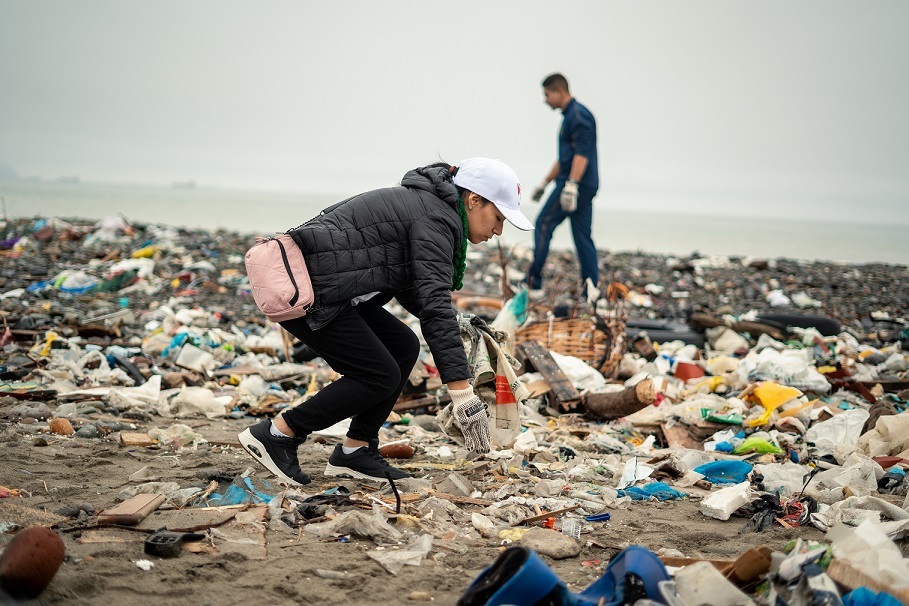
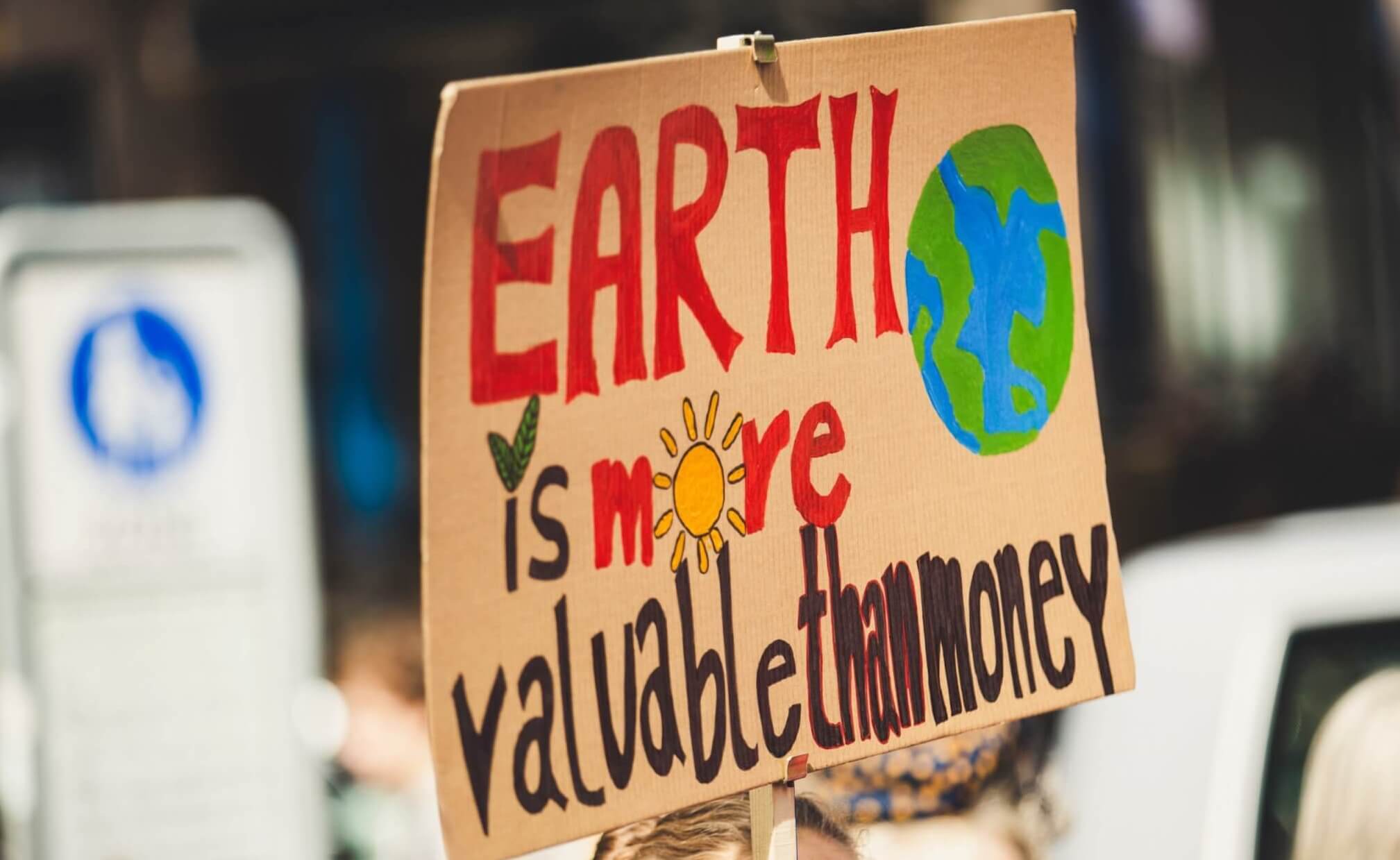
According to the new WEF report, environmental degradation, which remains an existential threat to humanity, risks intersecting with social fractures and bringing severe consequences. With the world more attuned to the risks, lessons can be drawn to strengthen corporate response and resilience.

What's new for sustainable business: Sustainability Trends 2021 report
This report evaluates 10 trends in sustainability and how companies are reacting to them. A must-read for everyone!

Why investing in nature is key to climate mitigation
A new paper by McKinsey and the World Economic Forum explores the role that natural climate solutions can play in helping to address climate change and the destruction of nature.

Open Source: the road to democratic and (moreover) sustainable fashion
If there is something that identifies fashion, it is the individual and personal style of each brand. So how is it that the term open source to talk about open source in fashion is gaining so much traction?
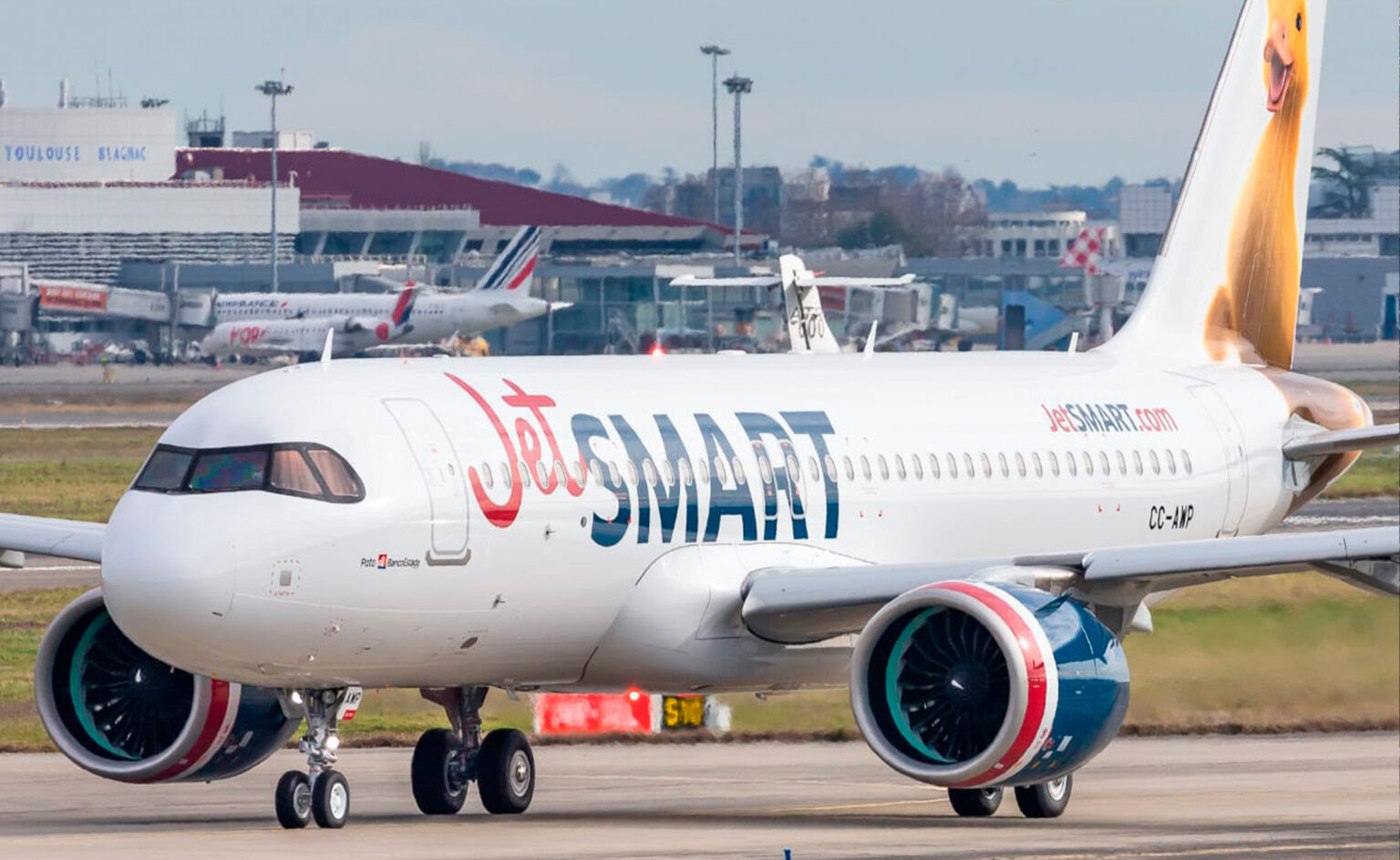
JetSMART details its sustainability plan with the arrival of the first aircraft in its fleet to use environmentally friendly fuels
JetSMART received a new Airbus A320 Neo aircraft loaded with BioFuel, an organic fuel that reduces the carbon footprint emitted by the aircraft by 80%, being among only 9 airlines worldwide that have delivered their aircraft with this element.

Here's how growing global risks will change our cities
COVID-19 exposed deep-seated vulnerabilities and inequalities in cities that will worsen as urbanization continues and migration flows accelerate. But, with careful planning, adaptation and the necessary investments, cities can become the new sustainability centers of the future.