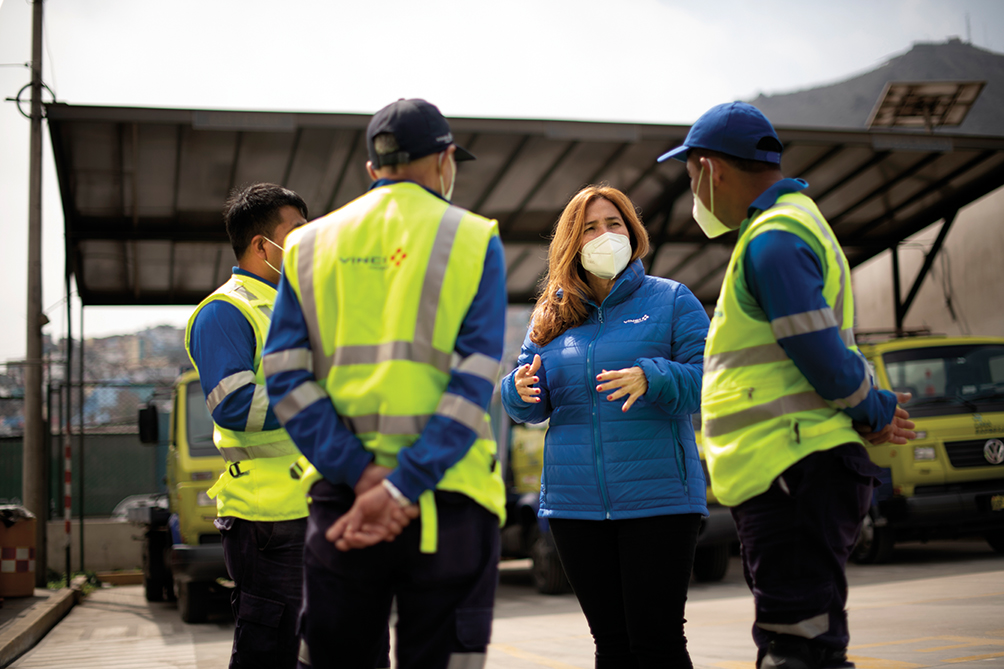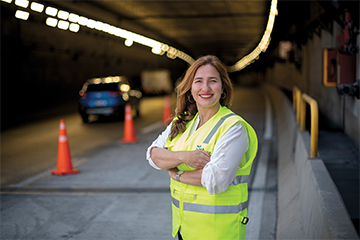
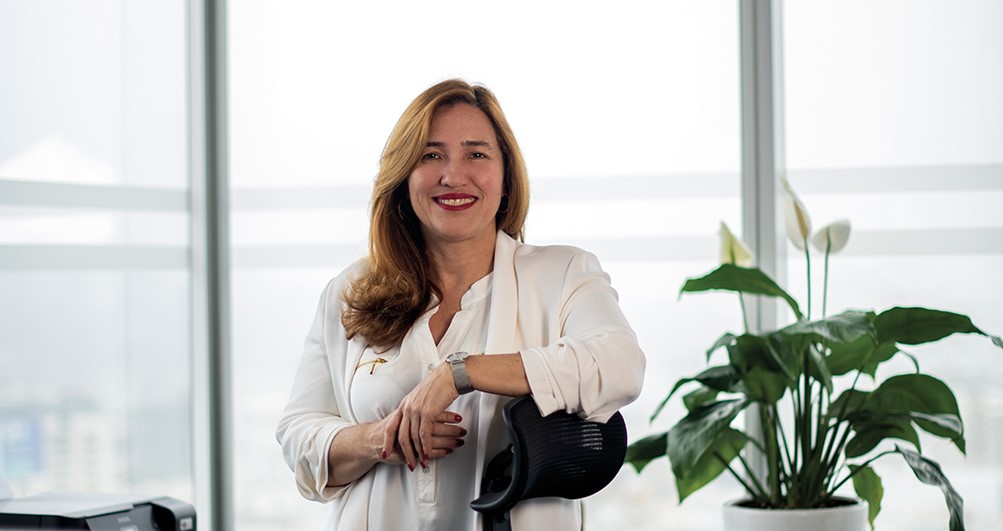
In an interview with Stakeholders, Janis Rey Lozada, CEO of VINCI Highways Peru, tells us about the concept of positive mobility that identifies this major global player in road concessions and points out that in Peru they have policies of sustainability, equity, diversity and inclusion, and codes of ethics and anti-corruption, which they comply with rigorously.
David Rodríguez Andara
What are the foundations that support the sustainable vision of VINCI Highways?
In Peru, as in the other countries where the VINCI Group is present, we are committed to the planet, to the development of people, to safety and to innovation. This is reflected in our internal manifesto and in the various policies and projects on which our management is based. It is a transversal axis that impacts all our decisions and actions and responds to various challenges: Contributing to the fight against climate change, preserving natural resources, contributing to local social progress, generating efficiencies and innovating.
For this reason, we have set very specific and measurable objectives that we must meet by 2030. To cite a few examples, in the environmental area we have the goal of reducing 50% of our CO2 emissions, as well as reducing to zero the generation of waste and its final disposal in landfills.
Similarly, in the social sphere, we have set ourselves the goal of raising our participation rate of women in management positions to 40%, reducing our workplace accidents to zero, and promoting greater equity and diversity in our workplaces. In short, we are determined to make sustainability the cross-cutting pillar of our management.
What is your strategy to address climate change and what concrete results have you achieved on this issue?
We are aware of the impact of mobility on climate change. For this reason, we have launched an action plan aimed first and foremost at reducing and neutralizing our CO2 emissions.
This plan contemplates the total renewal of our operation's vehicle fleet with 100% electric vehicles. We have made a commitment within the framework of the UN Global Compact, and we are promoting electromobility in Peru through our MOVEMOS Association, even beyond the limits of the LIMA EXPRESA concession and, in that sense, we expect to continue installing electric car stations for the use of our customers and other users.
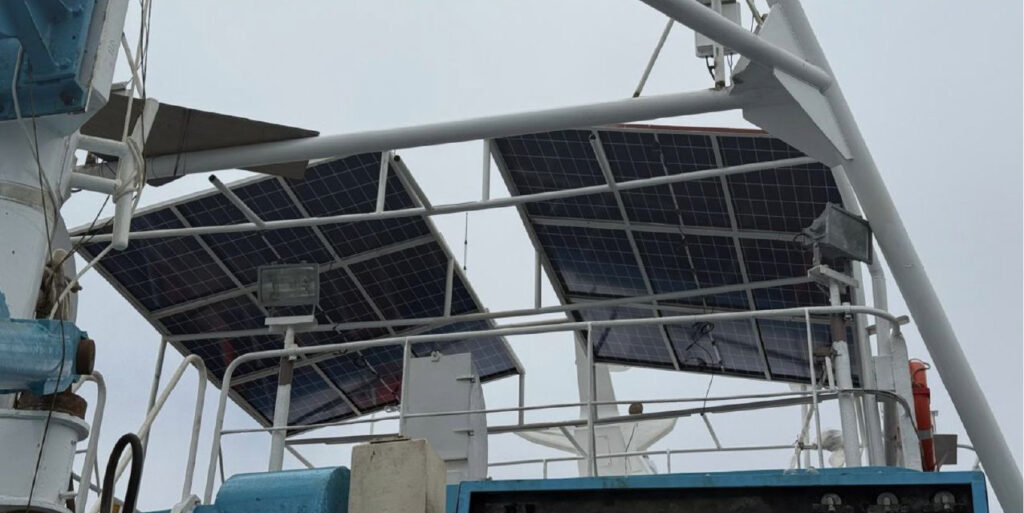
In addition to the measures taken to generate energy efficiency in our tunnel, we have begun installing solar panels at our operating bases and toll plazas, and we expect to move forward with the replacement of conventional lighting with LED lights. Our tunnel is even powered by 100% “green” (renewable) energy.
With all these actions taken, we estimate that this year we will be managing to reduce our CO2 emissions by more than 50% compared to 2018.
What else can you do to further reduce your environmental footprint?
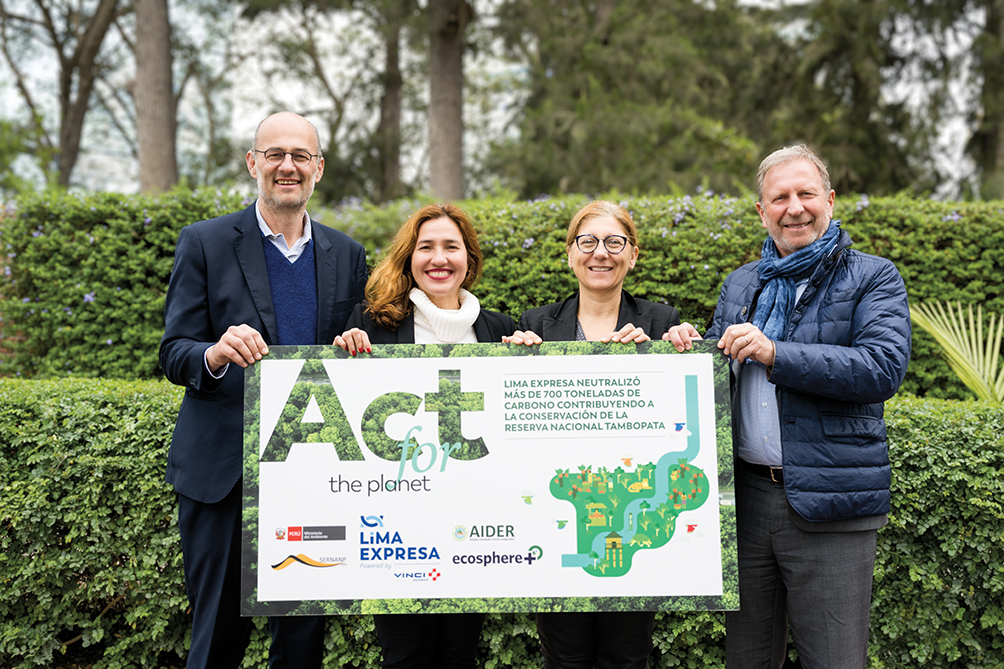
Our goal goes beyond what we have achieved in carbon emissions savings to date. For this reason, we wanted to offset the residual differential by purchasing carbon credits: we neutralized 2020 emissions with bonds purchased for the Cordillera Azul National Park, located in the Amazonian departments of Loreto, San Martín, Huánuco and Ucayali, and 2021 emissions with bonds purchased for the Tambopata National Reserve and the Bahuaja-Sonene National Park, in Madre de Dios. This makes us the first road concession of the Vinci Group to be carbon neutral.
Regarding our water footprint, since 2018 we have reduced by more than 50% our water consumption. We cannot forget that in Lima there is water scarcity, so we are developing a new project that will allow us to be self-sustainable and generate surplus water for alternative purposes.
Finally, we are relying on innovation and technology to be more sustainable. With PEX, our company in charge of electronic vehicle payments, we ensure that our customers do not have to stop at toll booths to use the roads, circulate with total fluidity and can benefit from the Green Recharge initiative, thanks to which they increase their PEX balance by recycling PET bottles in a robot with artificial intelligence.
What are the major challenges you face being in charge of road infrastructure in Peru and in the city of Lima?
Our main challenge is to provide a quality service, with the same international standards that we operate with in other places, but taking into account the local complexity. This obliges us in Peru to focus on traffic flow, road safety and sustainability.
Lima concentrates more than 50 % of the total number of cars in the country, with a very low vehicle fleet renewal rate and an urban public transportation system that requires urgent reform. These facts have a very significant impact on trafficability and accident rates, making Lima the city with the highest percentage of accidents in the country. That is why, at LIMA EXPRESA, we have prioritized the road safety of our clients and pedestrians, managing to reduce the serious accident rate by 71% in the last five years on our roads.
What did LIMA EXPRESA do to achieve such a significant reduction in the number of road accidents?
We have worked on two fronts: infrastructure improvement and prevention actions. This has involved improving signage on the road and at bus stops and improving lighting. In addition, we have installed nets in the central divider of the Via de Evitamiento, in order to prevent pedestrians from crossing the fast lanes. In addition, we have developed joint actions with the Peruvian National Police and the Urban Transportation Authority for Lima and Callao (ATU) to order traffic and enforce compliance with regulations through enforcement operations.
Our roadside assistance and ambulance services are also key to reducing accidents and improving traffic flow. A single vehicle stranded on the road generates congestion and can lead to fatal accidents. That's why we provide rapid response with our roadside assistance and ambulance team.
In 2021, more than 1,000 occurrences were recorded monthly on the Via de Evitamiento and the Linea Amarilla expressway.
«From an environmental point of view, positive mobility means being able to travel while reducing our carbon footprint. In Peru, we are making great efforts to such an extent that we have become the first carbon-neutral road concession since 2021.»
And how does VINCI Highways Peru seek to promote positive mobility in the country?
Lima is a city with major mobility challenges. Our mission is to connect people and, in that context, to promote environmentally friendly and safe mobility. For this reason, we have created MOVEMOS, VINCI Highways Association for Sustainable Mobility, from where we promote the best mobility practices in the city, respecting the environment and people.
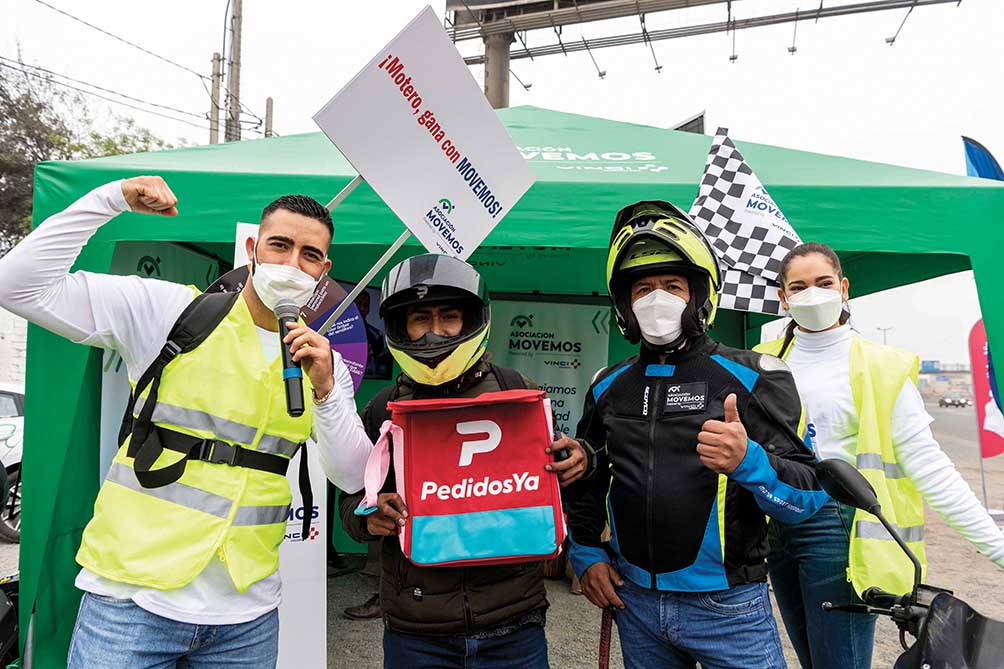
Through our MOVEMOS Association we are not only promoting a more sustainable mobility, but we are also taking action in relation to the accident problem that motorcyclists represent today on fast and urban roads. About a year ago we launched the School for Motorcyclists, a web series that can be viewed on Youtube and that seeks to contribute to the reduction of motorcyclist accidents.
We are also carrying out the second edition of the Muévete Perú Program, in alliance with Lima Airport Partners (LAP), to promote road safety with safer and friendlier environments for the citizens of Lima and Callao.
What safety and quality standards have you applied in the projects you have developed in Peru?
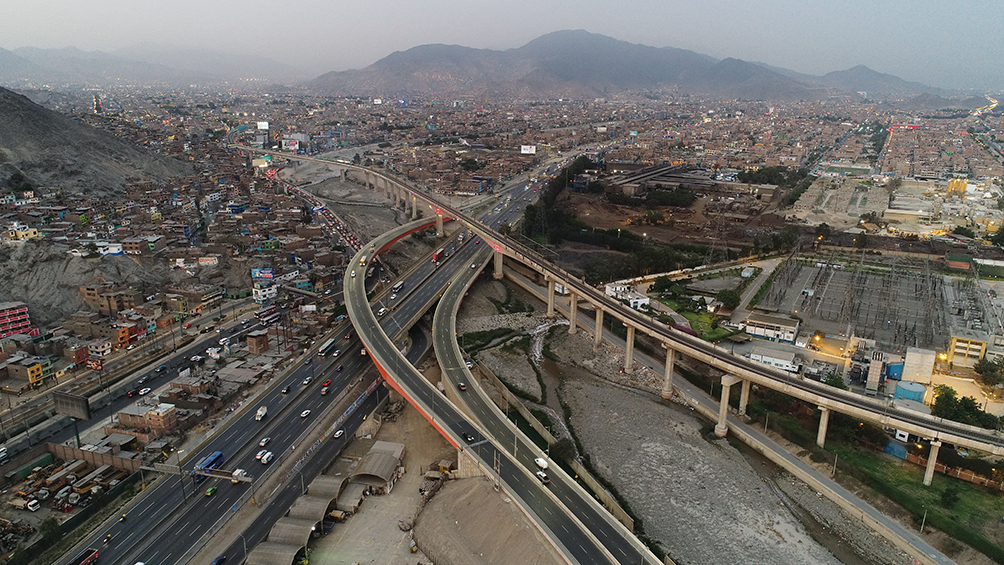
In Peru, we seek to provide the same high quality standards that exist in the other 15 countries where VINCI Highways operates. In this quest, we invested more than S/ 3.2 billion for the improvement of the Via de Evitamiento and the construction of the Linea Amarilla expressway, with world-class engineering.
In terms of infrastructure, we have an investment plan for 2021- 2025 of more than S/ 220 million. Within this framework, we are renewing the tracks of the Via de Evitamiento with an asphalt that is more environmentally friendly because it requires fewer inputs and increases its useful life, given that maintenance is done at least every 10 years, twice as long as with conventional asphalt. In addition, this pavement offers less vibration to our customers, therefore, a better driving experience.
«We have prioritized road safety for our customers and pedestrians, managing to reduce the serious accident rate by 71% in the last five years on our roads.»
What contributions has the company made so far to the development of the sustainable city concept in Lima?
We are aware of the need for Lima and Peru to organize the flow and circulation in the cities, taking into account the different modes of transportation, the need to articulate them and to place the citizen at the center of priorities. For this same reason, we consider it fundamental to generate a transparent dialogue with all our stakeholders, from institutions such as the Metropolitan Municipality of Lima, the ATU, our customers, the neighbors who are next to our roads and all the actors linked to terrestrial mobility.
As a private actor with a long-term commitment to Peru, we will not only continue to implement actions that have a positive impact on the lives of Lima's citizens by providing them with safer modes of connectivity, but also more respectful of the environment and the surroundings.
What have been the biggest achievements so far in terms of waste management and circular economy?
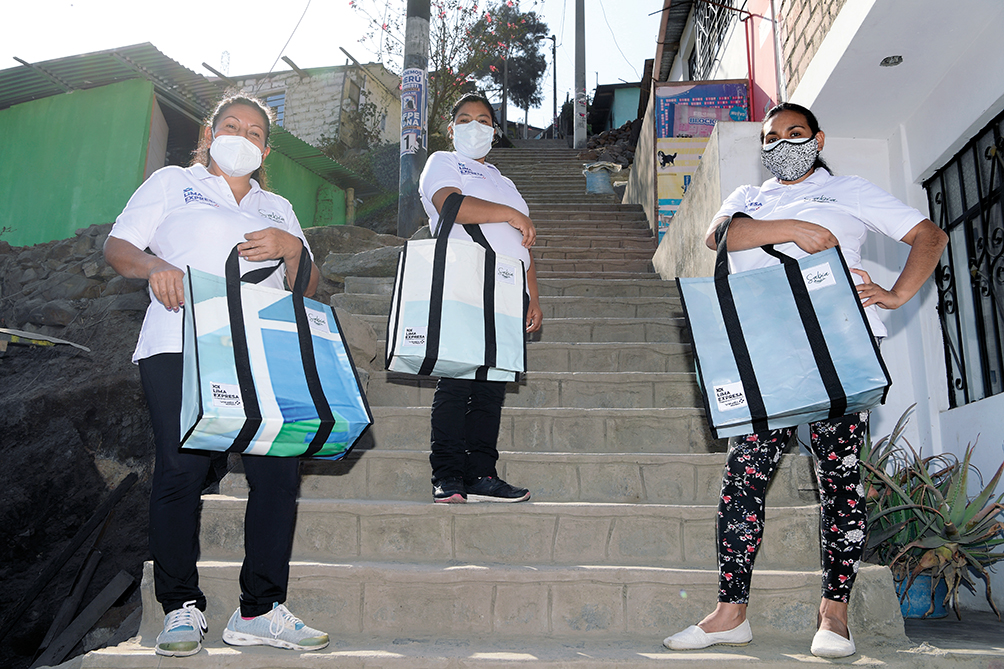
At LIMA EXPRESA we have begun to promote the recovery of our waste under a circular economy approach. In this sense, we have developed several alliances to promote the recovery of resources and waste. On the one hand, with SABIA, a socio-environmental enterprise formed by women living in the outskirts of Lima, with which we recycle plastic tarpaulins from our advertising panels, and on the other, with MUJERES DE MI BARRIO, another social enterprise that seeks to empower women and provide them with economic independence, with which we recycle the textile clothing of the company's 600 workers. In both cases, new products are being generated from recycling, which are acquired by LIMA EXPRESA to be used by its personnel.
Likewise, we have the organic waste valorization project that we manage in alliance with the Municipality of Rimac and the owners of the Flower Market of Santa Rosa del Rimac. In this regard, LIMA EXPRESA has an Organic Waste Treatment Plant in which Santa Rosa biofertilizer (compost) is produced, which is also used in the maintenance of green areas in the district of Rimac and its commercial sale in the flower market by its owners.
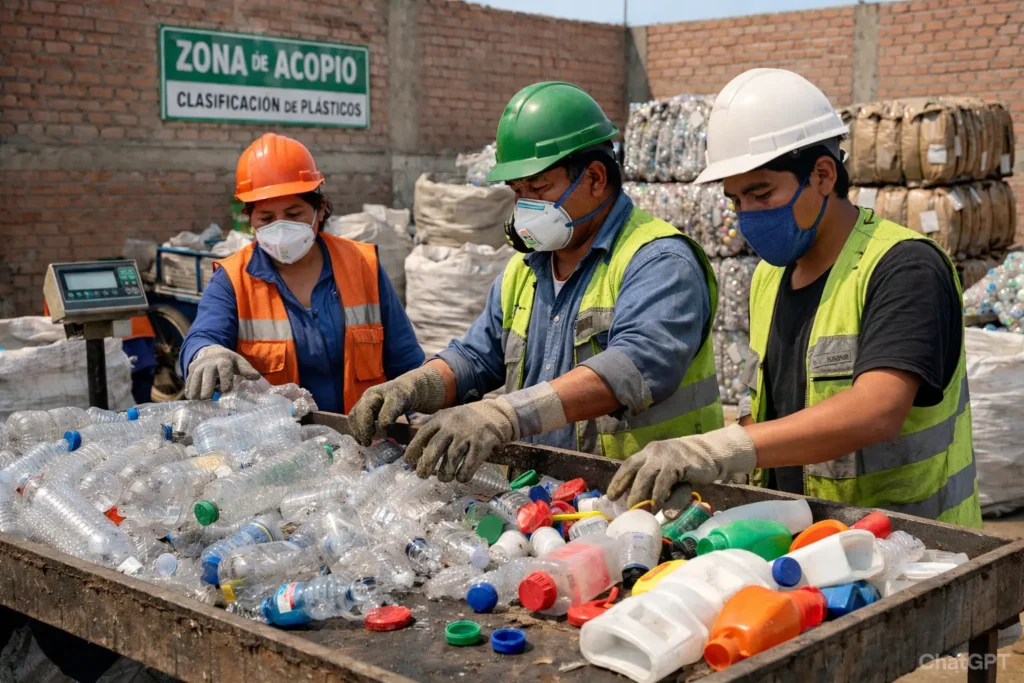
Finally, we have agreements with Aldeas Infantiles for the recycling of paper, cardboard and PET bottles, and with ENTEL for the management of Waste Electrical and Electronic Equipment (WEEE).
In short, we have a circular economy focus, which generates positive social impact.
Have you participated in the waste management initiatives promoted by the Ministry of the Environment?
Yes. In 2021 we signed the Clean Production Agreement on solid waste with the Ministry of the Environment, with the objective of implementing eight strategic actions aimed at eco-efficiency, reduction, waste recovery, and promotion of good practices in workers and third parties such as the neighbors of the districts in the area of influence of our road concession.

«We want to increase to 40% our feminization rate at management levels, reduce our workplace accidents to zero, and promote STEM careers in girls and greater equity and diversity in our workplaces.»
What type of alliances have you established to achieve a close relationship with your stakeholders?
The concept of Positive Mobility that we promote at VINCI Highways has led us to a close relationship with public institutions, civil society and the private sector for the benefit of our clients and citizens in general.
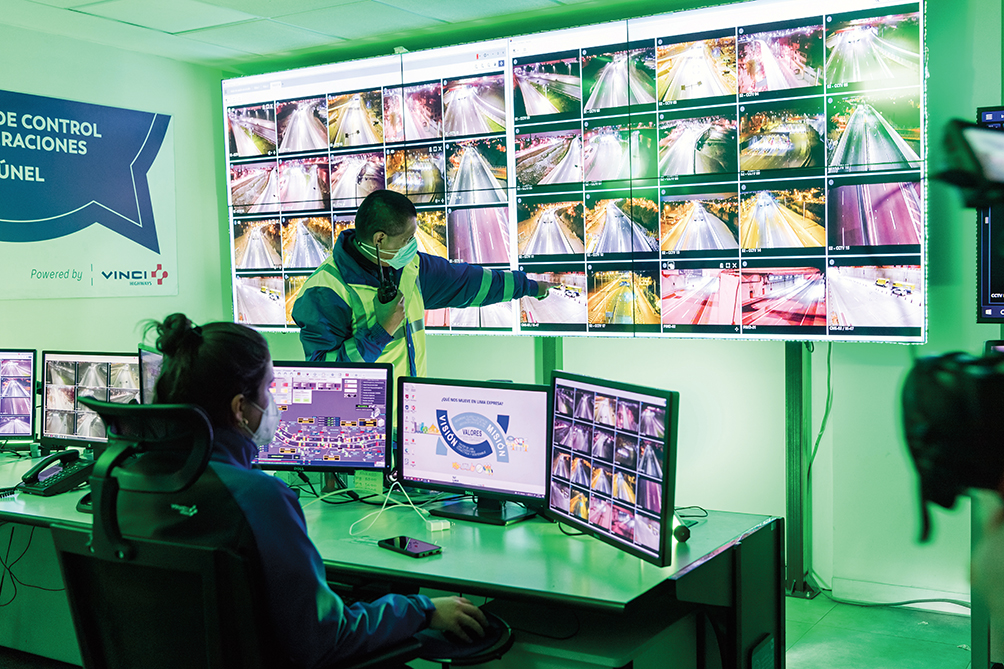
For greater security for our customers, we signed an agreement with the Peruvian National Police that allowed us to offer them all our monitoring cameras. We have also managed to implement tactical points on the roads. One of them is at the entrance to the Gran Túnel LIMA EXPRESA.
We are working in coordination with the ATU, a key actor for the regulation of public transportation on our roads and to improve road safety for drivers. We have also started working in coordination with SUTRAN to regulate heavy transport.
The MOVEMOS Association is working with the French Institute of Andean Studies (IFEA) to carry out the Modural Project, which is conducting a comparative study on sustainable mobility patterns in Lima and Bogota. With Lima Airport Partners (LAP) we have a new ally to promote the Muévete Perú Program, which seeks to promote initiatives for better mobility and coexistence in cities.
In addition, with the citizen observatory Lima Cómo Vamos we share the concern for improving the quality of urban life and, therefore, we work together on research on accidents and accidents on expressways with the aim of generating an impact on public policies.
What investment opportunities does the company see in the country?
Peru needs to invest in better quality road infrastructure that connects the country and its production centers. This is a priority in order to reach previous growth levels and the long-awaited growth. Within this framework, it is necessary to guarantee predictability, legal security and institutional backing for the investments made and to be made in the future.
In the case of Lima Expresa and PEX, we are clear about the challenges and opportunities. We want to bring greater fluidity to the city and modernize infrastructure and service. This means expanding our facilities, offering more electronic payment lane options, migrating to smart bus stops, and expanding the range of digital solutions for our customers. Over a time horizon and with supporting legislation, go to Free Flow as elsewhere in the world. For this reason, we hope to have a constructive cooperation with the authorities and a framework that allows the development of these projects, which ultimately benefit all the people of Lima.
What are your plans for further development as a company in the post-pandemic period?
Recently, the government decided to end the Covid-19 state of emergency throughout the country and lifted all coronavirus restrictions that had been in place since March 2020. Many practices and behaviors have changed and, in that sense, our challenge is to continue making our Positive Mobility concept tangible. We will continue to work with all mobility stakeholders, so that the people of Lima have travel options appropriate to their needs, giving priority to people, care for the environment and sustainability.