By: Pia Zevallos - Libélula's General Manager
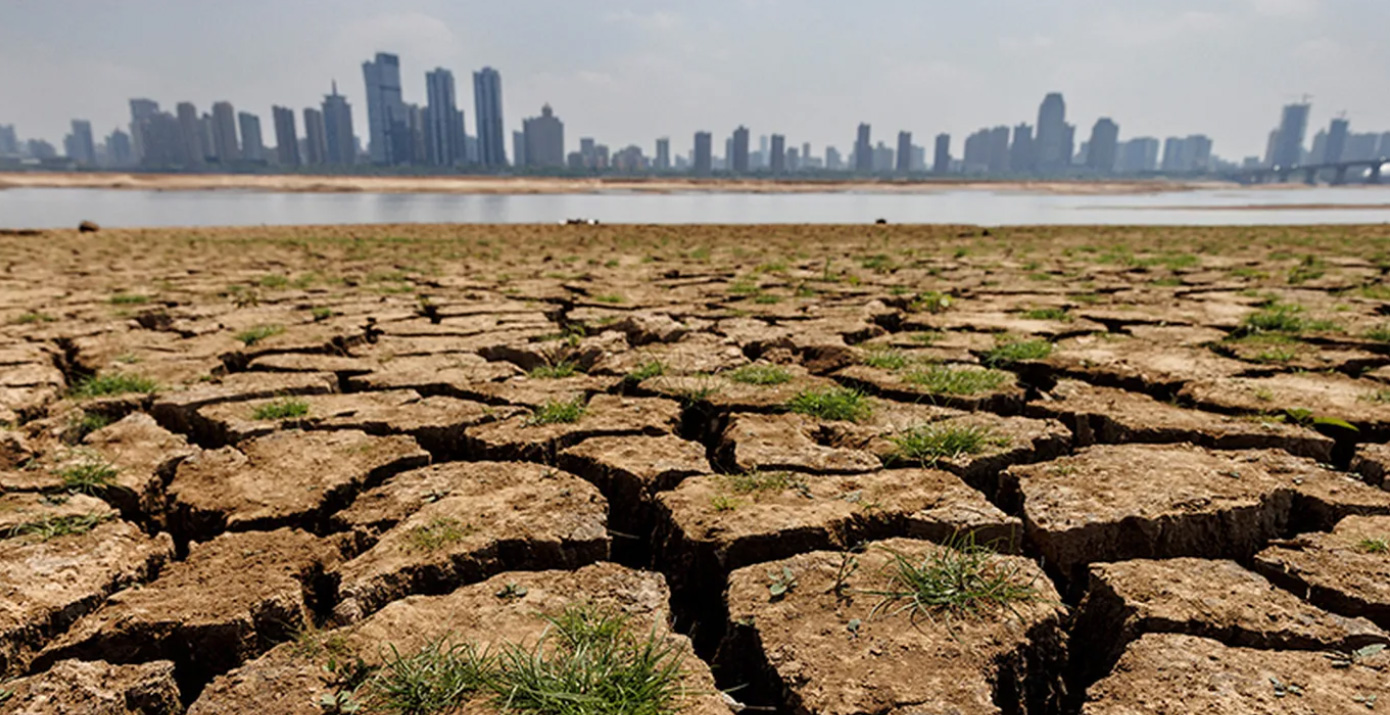
The private sector you can responding to the impacts of climate change by adapting its own assets, operations, supply chains and resources to ensuring business continuity; through financing and investment in adaptive solutions; or by providing adaptation solutions through products, services and technologies that increase resilience. Technologies for reduced water consumption in the face of impending droughts, loans for building reinforcement in the face of floods; these are some examples of investments and products needed to adapt.
According to the World Economic Forum, it is estimated that the disaster costs climate-related natural hazards around the world can reach as high as $360 billion per year, This generates indirect costs due to the interruption of the supply chain and other collateral economic consequences. Thus, it is necessary to invest significantly to minimize impacts and improve resilience.
The United Nations Environment Program estimates that the annual investments in adaptation in developing countries alone will increase from $70 billion today to $300 billion by 2030, and even double by 2050. The private sector will need to shoulder a significant portion of this investment to minimize impacts and improve the resilience of their operations and their areas of influence. According to a survey by the World Economic Forum's Global Risk Report 2020, 78% of respondents believe that the private sector will need to take on a significant portion of this investment to minimize impacts and improve the resilience of their operations and areas of influence. investments in climate-resilient infrastructure and technology are essential to address climate risks.
A clear sign of this trend is that the investors are demanding increasingly that companies assess and manage their climate risks adequately. A report from the Carbon Disclosure Initiative states that companies that fail to address climate risks may face financial penalties significant and a decreased confidence of investors. As evidence, more than 90% of the Peruvian insurance and PFA market is taking steps to familiarize itself with and integrate the recommendations of the Task Force for Climate-related Financial Disclosures (TCFD) in their investment portfolios and in the way they manage their businesses.
Investing in climate risk management is essential for ensuring the long-term sustainability of the private sector and the economy in general. Designing, developing and investing in initiatives that enable adaptation to climate change will generate benefits for business and the economy, but will also help to closing development gaps and improving the state of the environment.
On June 21 during the Latam 2023 Forum nexos+1 companies will discuss the business developments in the climate era, This is a necessary space for the evidence of initiatives and projects that are allowing adaptation to climate change, and thus safeguarding the sustainable development of the planet.