Would you prefer to listen to it? Play the audio here
Climate variability is already impacting costs, demand and operations.
Integrating it into the strategy is key to business competitiveness.
Marian Buraschi - Libélula Partner and Director
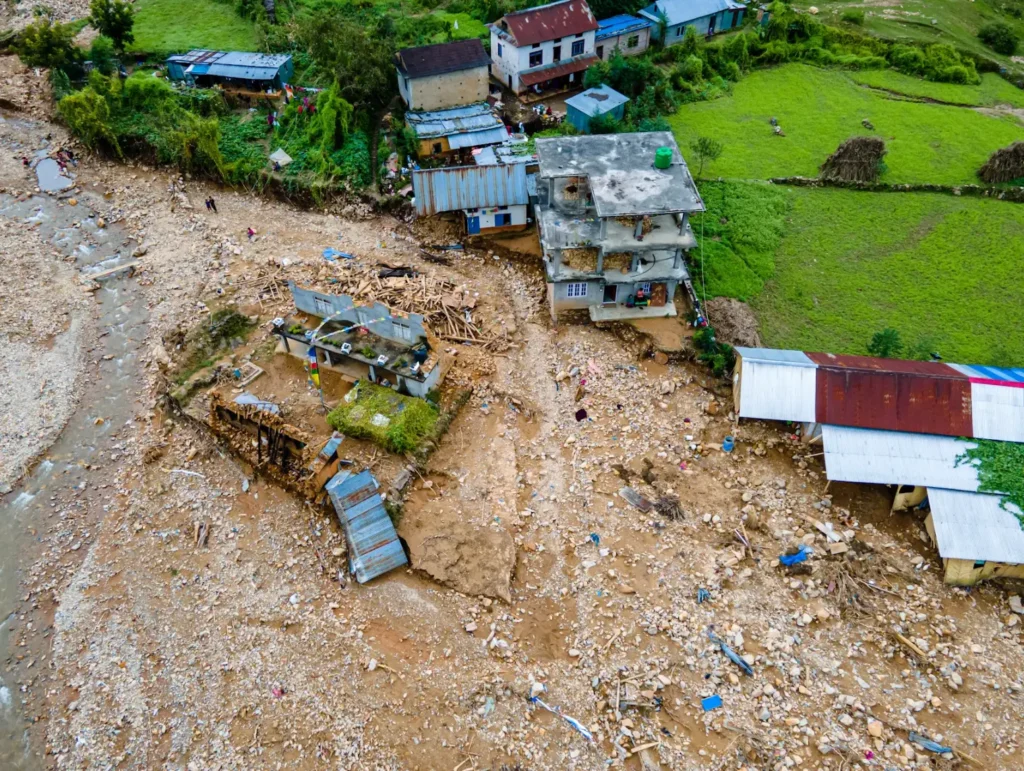
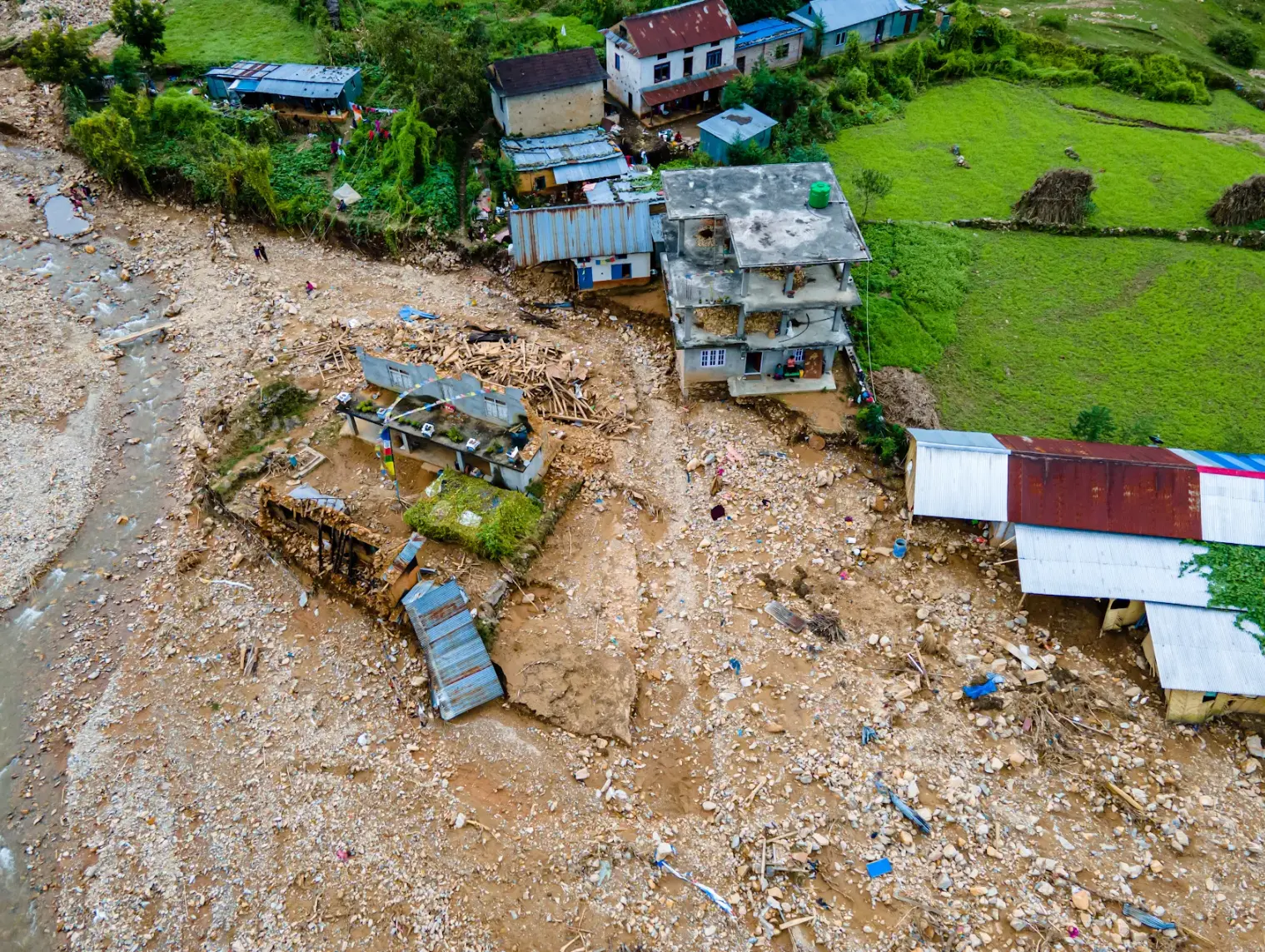
The weather is already having a direct impact on business profitability. At the beginning of this year, estimates by business associations warned that, in the event of a possible Coastal El Niño scenario, Peru could face losses of up to S/. 291 million per day in seven regions, affecting sectors such as commerce, tourism and agribusiness.
This is not an isolated event, but the expression of a structural situation: the weather and its changes have a direct impact on costs, demand and operations. The facts and data confirm this. Events associated with the El Niño phenomenon have generated millions of dollars in losses in the country, affecting infrastructure and supply chains. Sectors such as agribusiness, fishing, trade and tourism already operate in an environment where climate variability impacts production, demand and margins.
In Peru, these effects are already being translated into concrete business decisions. The BCRP and the Ministry of the Environment warn that, without adaptation, the country could sacrifice up to 6% of its potential GDP by 2030. In regions such as Arequipa, the rains have generated losses in excess of S/ 100 million, affecting tourism and agro-exports and highlighting the vulnerability of operations and logistics chains. In Lima, extreme heat impacts inventory turnover in retail and increases logistics costs. In fisheries, changes in sea temperature affect the availability of species and the productivity of the sector.
These impacts are not only a consequence of the climate, but also of the failure to incorporate climate scenarios into business decision-making. Today, the ability to anticipate them is necessary for business continuity and success.
Faced with this reality, the financial system and public policies are beginning to integrate this variable. What was previously perceived only as risk also opens up opportunities. Lima today faces the challenge of adapting to more frequent rains and heat waves, generating new spaces for investment. In this context, I highlight three key strategies for the business sector.
- Asset resilience and critical infrastructure. Protecting CapEx from weather events involves investing in nature-based solutions and resilient design, reducing operational disruptions and maintenance costs.
- Real estate sustainability and energy efficiency. The incorporation of passive climate control and reflective materials in commercial assets optimizes OpEx, improving energy efficiency and protecting margins.
- Demand anticipation and inventory management. Climate analytics allows adjusting the product mix and supply according to thermal variations, avoiding overstocking and liquidations, and strengthening EBITDA.
For senior management, integrating climate risk into strategy must be part of business management. It is not just a matter of reacting, but of anticipating.
Climate is no longer an external variable, it is a determinant that directly impacts EBITDA. However, you cannot manage what you do not measure. The first step for companies is not to react, but to assess their exposure to climate risk and incorporate it into their decision making.
Has your company already taken that first step?