In order to operate, companies need, above all, a world in which to do so.. But it runs the risk of overheating very soon. The IPCC concludes in a recent report that continued greenhouse gas emissions could exceed the global temperature limit of 1.5 degrees Celsius in as little as a decade.
“The climate change dangerous - no longer that futuristic idea of potential impacts - that brings fires and heat waves, affecting lives, infrastructure and ecosystems, is already here”, he assures Pia Zevallos, founding partner of Dragonfly and director of the Climate Change Management Support Project.
Because the time to act is so short, Zevallos believes the world needs drastic changes. “Companies have started very well by measuring their carbon footprint and try to reduce it. But these are marginal improvements,” she says. The specialist argues that the private sector needs, rather, to deploy processes of innovation to solve the problem of climate change.
What can companies do?
The world needs to reduce emissions by about half by 2030 and it needs to have net zero emissions by 2050 not to exceed the threshold of 1.5 degrees Celsius.
Zevallos suggests that companies consider, for example, the following measures to address climate change:
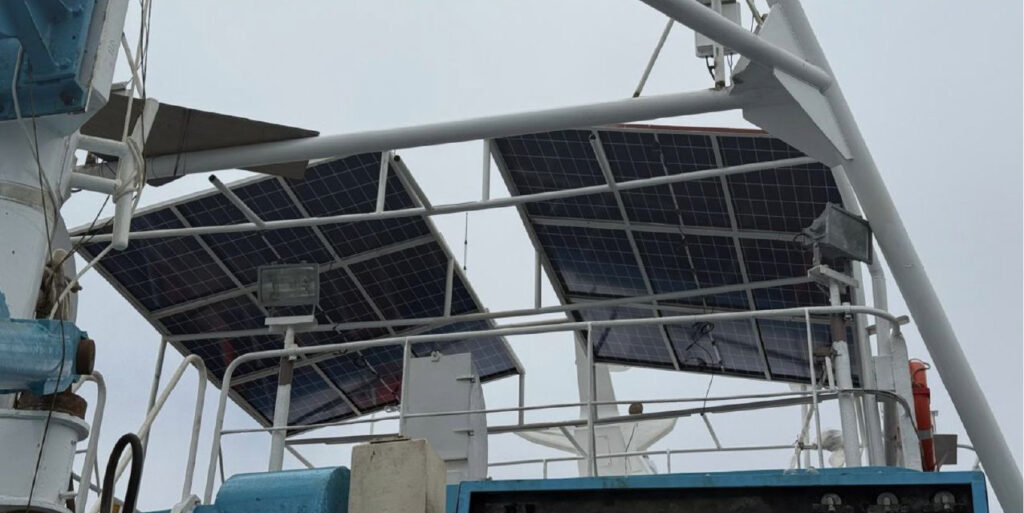
- Promote and use renewable energies (wind, hydro, solar). Companies can make direct contracts with renewable energy generators.
- To progressively and permanently adopt decentralized work. (having a workspace closer to home) to reduce fuel use.
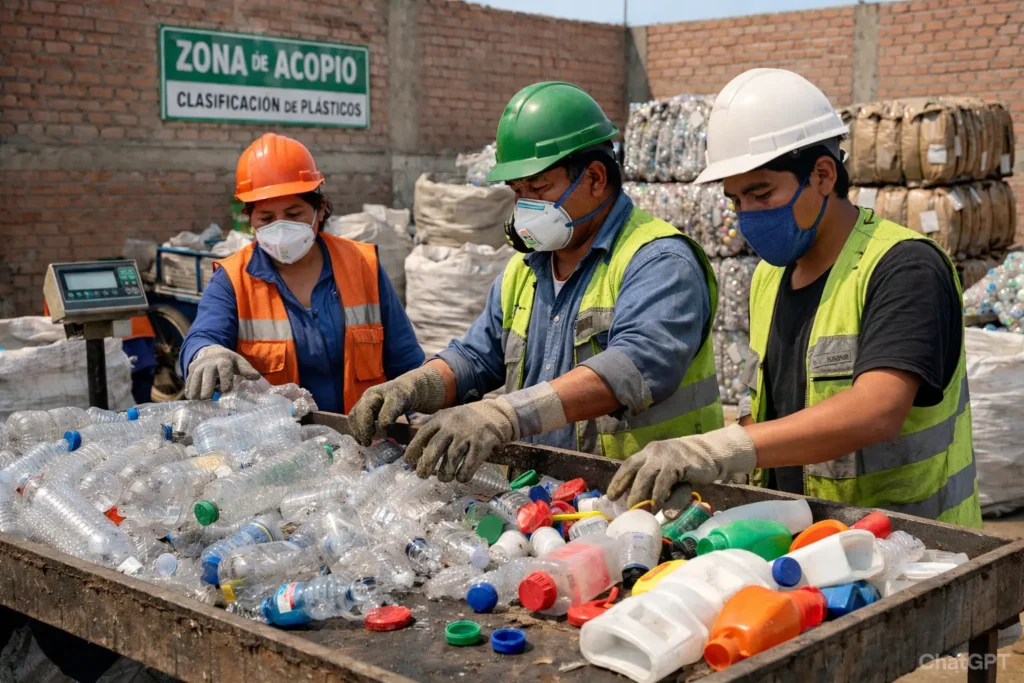
- Opting for circular business models generating as little waste as possible.
- Thinking about regenerative agriculture and in the sustainable management of Amazonian forests.
- Focusing on hybrid vehicles and, eventually, electric cars.
In order to implement some of these measures, we must first have a deep understanding of those who would be affected and create solutions for them as well -as would be the case, for example, in the transportation sector with the implementation of decentralized work-, so as not to harm the economic reactivation.