The United Kingdom will stop emitting greenhouse gases by 2050. A commitment that could become the legacy of Theresa May, who has recognized that it is an ambitious plan, but necessary to protect our planet for future generations.
This Wednesday the acting prime minister will present it to the British Parliament as an amendment to the current climate legislation, so it does not require a vote.
«It's an ambitious plan, but a necessary one to protect our planet for future generations.
Theresa May Acting Prime Minister of the United Kingdom
The goal so far was to reduce CO2 emissions by 80 percent by that year from the level recorded in the 1990s.
The United Kingdom thus becomes the first G7 country to go so far in the fight against climate change and hopes to encourage other nations to follow suit.
The measure had been recommended last month by a specialized independent committee. It will require major investments in many sectors of the British economy, such as renewable energy production. The automotive sector will be another of the most affected, as it could force the gradual withdrawal of gasoline and diesel cars until 2035.
Households will have to replace natural gas heating with alternatives such as hydrogen or heat pumps.
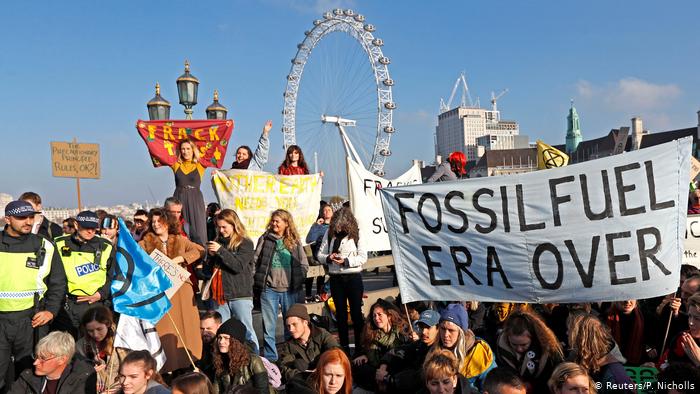
Activist groups have complained, however, that this is not enough to meet the 2015 Paris agreement that aims to limit the rise in global temperature to one and a half degrees.