Decarbonization policies represent an opportunity for cost savings. The planet's temperature continues to rise due to greenhouse gas emissions. urges companies to take measures to avoid a climate crisis, says Celepsa's deputy sustainability manager, Lorena Gaviño.
Intergovernmental Panel on Climate Change The Intergovernmental Panel on Climate Change (IPCC) identifies greenhouse gases as the cause of the rise in temperature.
According to the World Bank Group's Country Climate and Development Report, annual economic losses from natural disasters in Peru average 2% of GDP, while welfare losses amount to 5.2%.
The report also indicates that the country can benefit from implementing decarbonization policies, increasing GDP and generating millions of formal jobs.
For this reason, Lorena Gaviño, assistant manager for sustainability at Celepsa, provides the following recommendations for companies:
You cannot manage what you do not know
Companies need to know their impact in terms of greenhouse gases in order to identify reduction opportunities, set targets and formulate reduction, offset and removal plans.
They also need to assess how vulnerable their operations and value chain are to the effects of climate change in order to develop adaptation actions and reduce their business risks.
2. Start by optimizing your energy consumption
As a first step in managing emissions, companies can start by prioritizing clean energy consumption (low carbon or carbon neutral), as well as developing energy management initiatives.
To this end, it is necessary to raise awareness among employees and provide innovation spaces and tools for the implementation of solutions that improve energy management and competitiveness.
For example, implement Peakshaving strategies through the use of batteries that allow them to take advantage of clean energy at peak consumption times when electricity is more expensive and more intense in greenhouse gas emissions.
3. Promote the virtuality of operations
The pandemic has allowed us to experiment with new work and operation schemes. It is important that companies evaluate the lessons learned from this experience and shape their operating models to promote a lower impact and maximize the well-being of their employees.
4. Promote collaborative and friendly schemes
Companies can encourage the use of collaborative transportation schemes for personnel and goods, as well as the use of public systems and the incorporation of friendlier transportation units such as electric ones.
5. Become responsible producers and consumers
Every sustainable company should seek to become an agent of change for its stakeholders, starting with its employees and extending to its customers.
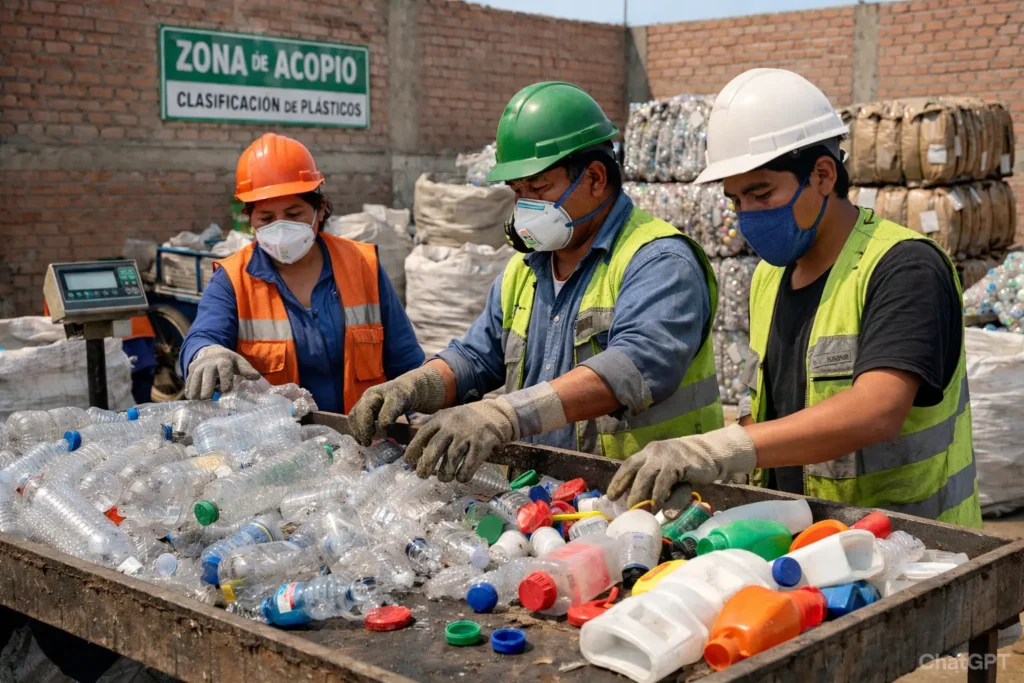
To this end, it must develop responsible production and consumption strategies that promote a circular economy where nothing is wasted, seeking to extend the useful life of its materials, promoting their second use and avoiding and/or limiting the consumption of single-use materials.
“The climate crisis is one of the greatest challenges we face as humanity. From Celepsa we understand the sense of urgency and that is why we want to accelerate the process of decarbonization of the country. Understanding that alone we will not be able to achieve it, we take this day to invite all actors in society to join in this fight and take action,” said Celepsa's deputy manager of sustainability.