According to experts, the issue of sustainability has been strongly addressed for more than 15 years, a decade ago strategic plans began to measure environmental and social issues, and five years ago society began to understand the importance of this business value.
In other words, sustainability is as strategic as profits for a company, its good management generates profitability, the market demands it, and if time and resources are not invested in this work, companies may disappear.
For Tatyana Orozco, Vice President of Corporate Affairs of Grupo Sura, thanks to sustainability “we will be able to evaluate, compare, rethink and even anticipate and respond in a timely manner to the changes and needs of the markets, the environment and society”.
According to Orozco, “investors are increasingly taking into account in their evaluations, beyond economic profitability, the management and progress in environmental, social and governance issues associated with business operations”.
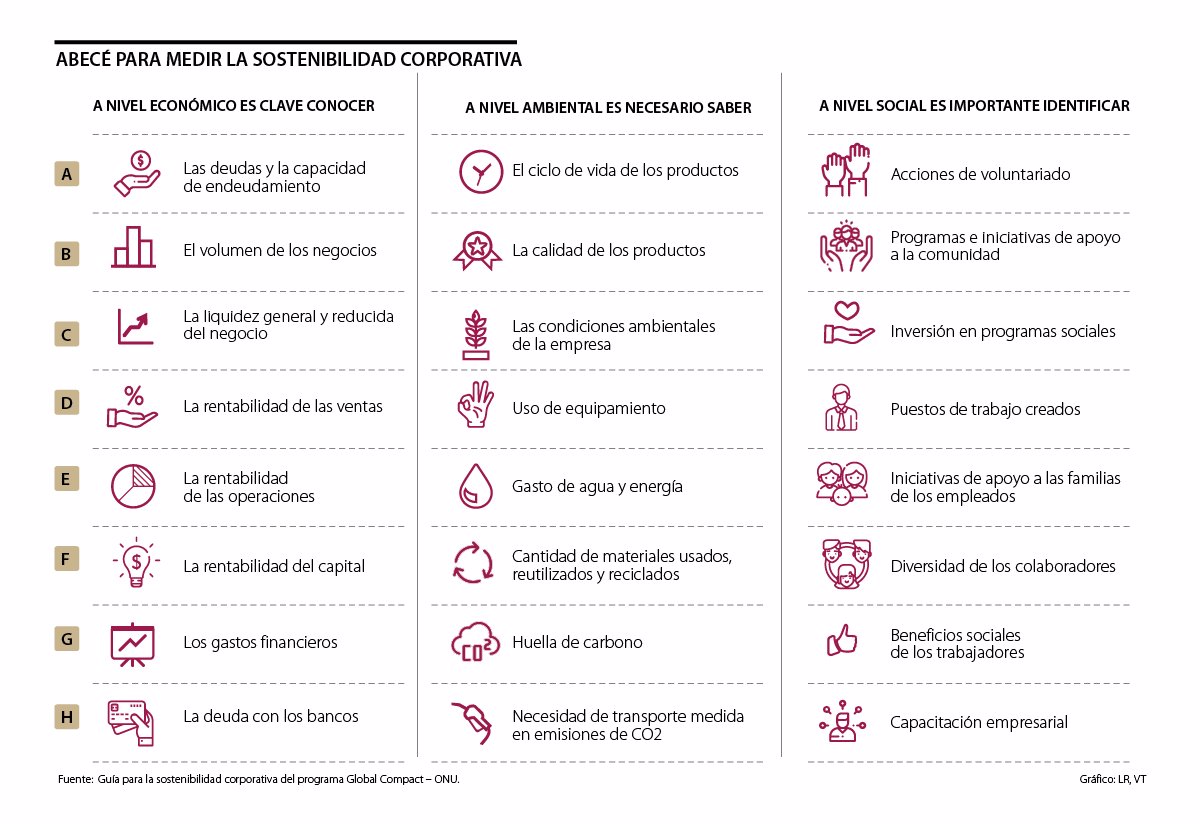
Other companies such as Bavaria, which invest large amounts of money in their sustainability strategies, also consider this issue as a central axis in their operations. “If we are part of the problem we can also be part of the solution. We have set ambitious goals to 2025 in water, climate change, renewable energy, circular economy and agriculture,” said Carolina García, Sustainability Manager of the company. The company confirms that 27% of its volume is produced in high-risk watersheds.
Sustainability has a clear impact on the stock market. The value of a company can skyrocket when rankings such as the Dow Jones Sustainability Index classify it as a sustainable organization; but on the contrary, if a media or other interest group points out its poor environmental management or negative impact on the community, among others, the value of its shares in the stock market can fall in minutes, almost in seconds.
Another indicator that allows us to analyze the importance of sustainability is the corporate image included in the IFRS.
According to María Fernanda Vargas, Director of Graduate Studies in Social Responsibility and Sustainability at the Universidad Externado de Colombia, several economic phenomena have also made this issue relevant.
“Globalization, the opening of markets, ICTs, outsourcing of goods and services, among others, have led to dynamics that evidence environmental, social and economic impacts,” Vargas said.