By: Sarah Franciscolo - Manager of nexos+1
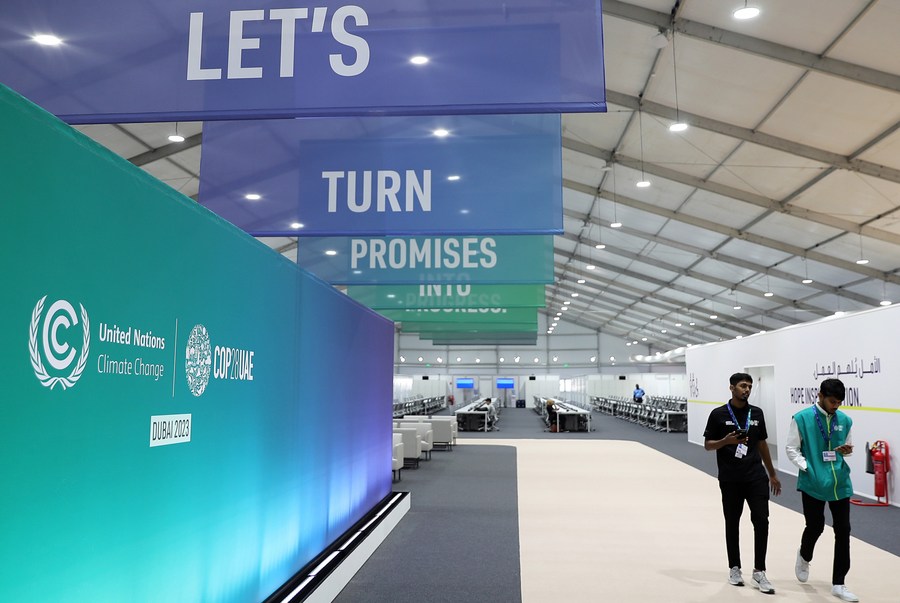
One week ago, the Dubai Climate Summit (COP28) came to an end. During two weeks and two extra days of negotiation, representatives of more than 195 countries approved the final text that many consider the most important since the Paris Agreement. Many of the agreed targets are to be met by 2030, which is the most important since the Paris Agreement. seeks an unprecedented transformation in just six years.
From nexos+1, we present a summary of the most urgent issues to which companies in Latin America should pay attention and analyze the implications for their businesses.
- It is the beginning of the end of the fossil fuel era. For the first time in the history of the COP negotiations, a text was included in the final document specifying that we must move away from fossil fuels and accelerate the transition to renewable energy sources. The aim is to triple renewable energy and double energy efficiency by 2030, as well as to eliminate inefficient fossil fuel subsidies as soon as possible. The message to the financial markets is crystal clear: investing in fossil fuels is highly risky. Investing in renewable energy technologies is more opportune.
- Coal and methane are enemies number one and two in the short term. It calls for accelerating the phase-out of unmitigated coal power and substantially reducing methane emissions by 2030. Thanks to satellite technology, it is now possible to identify methane leaks and draw governments' attention to where it is being emitted. It is also noteworthy that six of the world's largest dairy companies announced at the COP commitments to measure its methane emissions. Livestock is one of the main sources of methane emissions, along with oil and waste operations (landfills and wastewater).
- The link between the climate crisis and the loss of biodiversity and natural ecosystems has been reaffirmed.. The world's leading financial institutions are already reflecting this in their targets. The Glasgow Finance Alliance for Net Zero (GFANZ) will integrate nature into its plans to achieve net zero. The development bank of Latin America, CAF, will allocate US$25 billion over the next five years to actions focused on nature-based solutions. In addition, the next biodiversity COP will be held in our region, in Colombia, in October 2024, and COP30 will be held in Brazil in 2025. There will be much attention from the global community on the management of deforestation in the Amazon and the protection of its biodiversity in the next two years.
- There is a strong focus on transforming food and water systems.. These issues are of great urgency because of their vulnerabilities to climate change and their impacts on human survival. In addition, one third of greenhouse gas emissions come from food systems. Increasing resilience and adopting regenerative methodologies will be key aspects of this transformation.
- The flow of financing to our region will increase significantly. The aim is to transform the financial system to accelerate the flow of funds from developed to developing countries. New climate finance mechanisms and public-private partnerships will be created that companies can take advantage of to transform their operations and focus on new opportunities in a climate context.
Latin American companies should incorporate the analysis of these issues into their risk management process at the highest strategic levels. Knowing the impacts of these climate issues on your business and preparing for this major systemic transformation is critical to business resilience and success in 2030 and beyond.