By Pablo Santillan Caicedo, Knowledge Management Coordinator in the Decarboost Project
July 2021
At the central nexos+1 event on March 2021, Alexia Semov, lead from New Nature Economy Report II: The future of nature and business, by the World Economic Forum, presented its vision for the future of business and nature, highlighting the commitment of key players to anticipate the potential impacts of climate change on the global economy, and the potential of the private sector to strongly support the transition to sustainable development.
He highlighted that world leaders such as Emmanuel Macron, President of France or António Guterres, Secretary General of the United Nations, warn the world of the risks of not working to prevent the destruction of biodiversity. In this line, he stressed that Ursula Gertrud von der Leyen, President of the European Union urges to change the way we live and do business to be able to maintain what we value. A call to action that involves President Joe Biden of the USA, who began his administration by making a commitment to protect 30% of land and coastal seas by 2030, joining more global leaders who recognize the importance of developing plans for a positive economy, looking to nature.
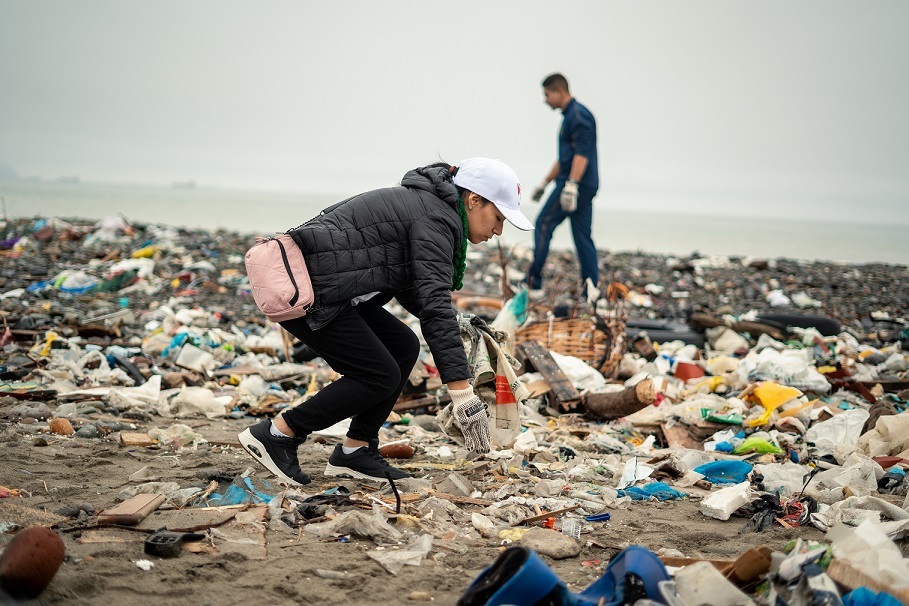
The risks associated with climate change include projections about the consequences of not halting deforestation rates, since if these rates continue, the planet will have only 10% of its remaining forests by 2030, just nine years in the future. This means that a two-degree temperature change upwards could not be endured. The variation in temperature range could generate an increased risk of extinction to species at a much higher rate than could be reversed, putting future food security at risk..
For Semov, nature is the physical bed of life, and the bed on which economies are built.. Thanks to stable climates and healthy soils, nature provides invaluable sources of resources, some more obvious such as the provision of food or the supply of medicines; suffice it to say that 70% of anti-cancer drugs come from or have been inspired by nature. Other resources are more subtle, such as climate regulation, thanks to oceans, soils and forests absorbing excess carbon from the atmosphere, in addition to the undeniable health benefits that come from being surrounded by a forest. Nature as a great bed of life is protected by indigenous peoples who, being only 5% of the world's population, are estimated to be the guardians of 80% of the remaining biodiverse reserves.
In the report Increasing natural hazards: why the crisis engulfing nature matters for business and the economy, the World Economic Forum reveals that USD 44 trillion of economic value generated (more than half of the world's GDP) depends in whole or in part on nature and its services., and are therefore exposed to natural losses. The same study states that construction, agriculture and food, the three largest sectors that are highly dependent on nature, generate about USD 8 trillion in gross value added, which is equivalent to twice the size of the German economy.
Alexia Semov emphasized that, until the world wakes up to this reality, companies and countries that have not taken action quickly enough are at risk of facing social, financial and legal problems. When politicians, regulators, and consumers begin to demand more from businesses, and penalize those whose operations continue to damage nature and the climate, the risk of damaging their assets will become a reality for many businesses.
The knowledge that while nature is being destroyed, there is a significant increase in the risk of epidemics, quarantines and social disruption is becoming more and more socialized. This is something that Alexia Semov believes is already happening.
The same factors that explain climate change could become factors that affect countries' economies. For Semov, as soils lose their productive capacity, due to excessive deforestation or chemical use, productivity decreases; crops become more vulnerable to extreme weather, thus impacting the already affected agricultural community and its profitability. As weather events become more common for climate change, the destruction of coastal communities and their assets is increasing, forcing migration as certain regions become uninhabitable for human life. These events have a physical impact on companies and the people who work in them, so the longer you wait to act, the more devastating their impacts will be.
What can we do?
From Alexandra Semov's perspective, among the actions that could contribute to a transformation of the economy towards sustainability, one can consider:
- The global entities and frameworks must recognize and take advantage of the unique opportunity presented by the year 2021.. This year, the Conferences of the Parties (COP) on climate, biodiversity and combating desertification will be held in the same year. It is important to take advantage of this opportunity to consolidate processes and recognize synergies in achieving the three objectives together.
- Businesses and policy makers must measure, report and disclose their impact on natural resources, which in turn means that financial sectors and companies will be able to include nature-related components in their investment strategies and operating strategies.
- Policymakers should revise their incentive models to promote and value positive strategies for nature and discourage harmful ones. A disproportionate amount of public money is still being used today to incentivize practices that harm nature and people., such as excessive use of pesticides or overfishing.
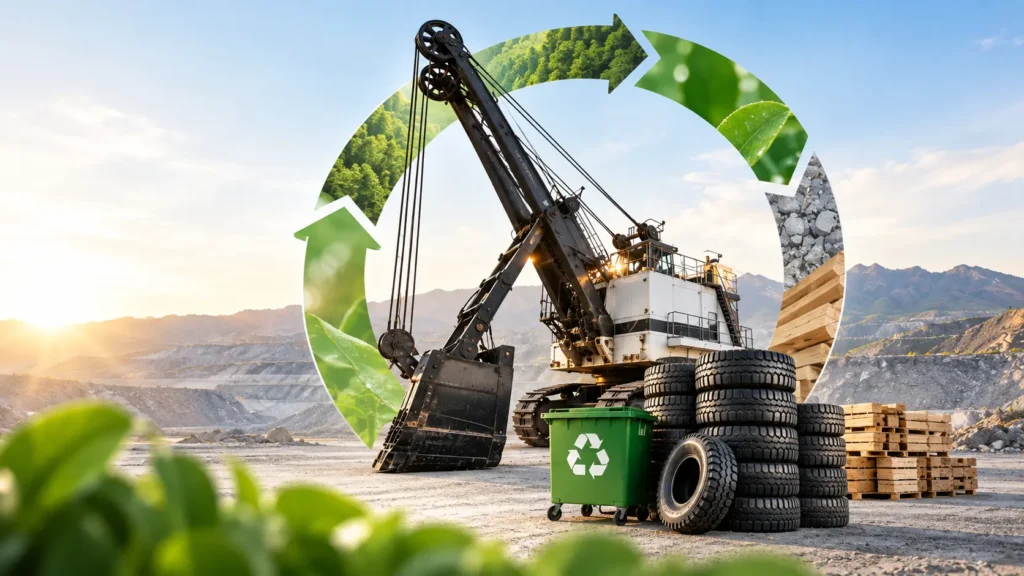
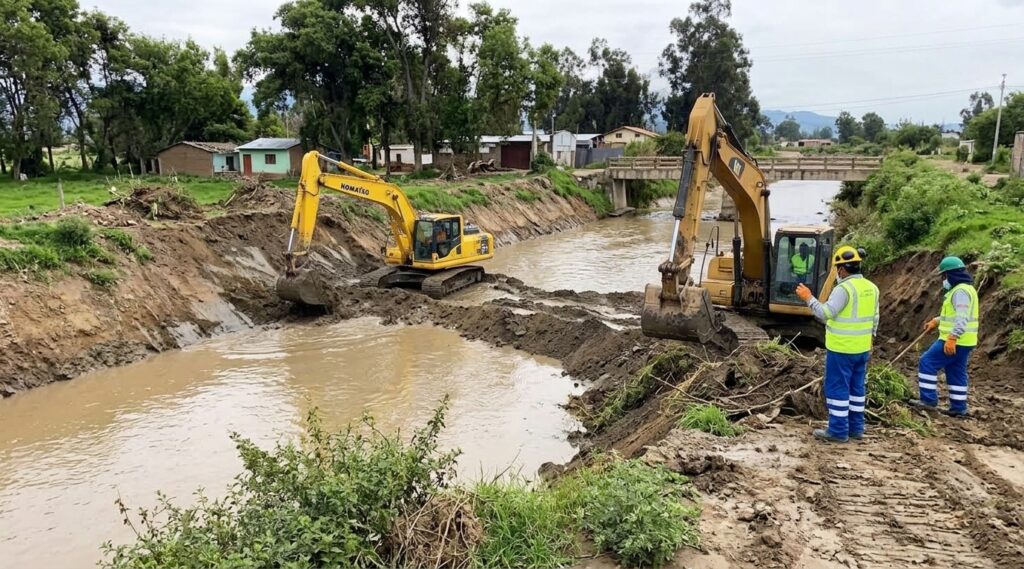
- The World Economic Forum has identified the The main drivers of nature's loss and has divided them into three key socio-economic systems that have the greatest opportunities to reverse this destructive nature. These key socioeconomic systems are: 1) Land, food and ocean use, which include timber, fashion and infrastructure companies; 2) Construction systems involving cities and roads; 3) Energy and extractive systems, which include mining, oil and gas; and power generation.
- The World Economic Forum has found that a positive role in nature control and protection could unlock up to USD 10 trillion in new business opportunities, creating more than 400 million new jobs.
- There are a large number of scientific studies that have demonstrated that developing reconstruction and reforestation plans could not only be more effective but also cheaper..
- Research has shown that the economic benefits of protecting, for example, the planet's 30% would outweigh the costs by at least a 5 to 1 ratio.
- Establishing a positive path for nature, by protecting and storing our natural resources, will be one of the most important policies, not only economically efficient, but also morally.
If you are unable to view the video directly or would like to see the edited version, we share the following link to our video on networks: