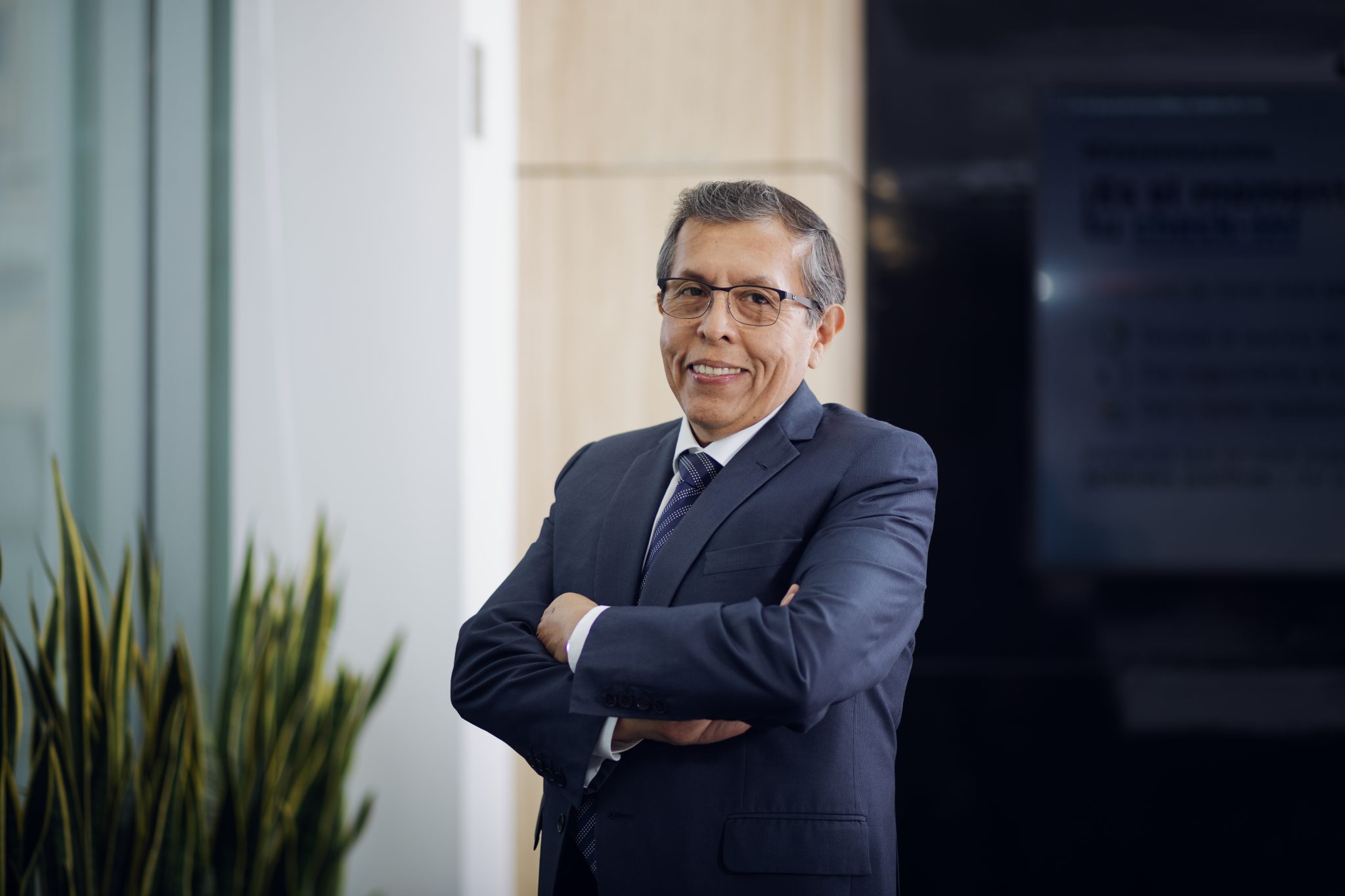
In a challenging context for the Peruvian electricity sector, Statkraft advances in the diversification of the energy matrix with renewable projects and sustainability strategies. Juan Manuel López, commercial manager of Statkraft Peru, takes stock of the progress made in 2024 and comments on the company's plans for 2025.
What key learnings did 2024 leave for the development of the electricity sector in Peru, and how do these learnings influence Statkraft's strategy for the coming years?
The year 2024 presented similar challenges to 2023 in terms of energy prices and reserves during the dry season. For several weeks, the system lacked efficient reserves to respond to increased demand or dry hydrology, underscoring the need for new efficient generation.
At Statkraft Peru we are developing a portfolio of renewable projects to meet the growing demand for clean and efficient energy that the system requires. At the end of the year, the Peruvian Congress approved the modification of Law No. 28832 “Law to ensure the efficient development of electricity generation”. This amendment includes significant changes for the future of the electricity market, such as the separate contracting of energy and power, as well as by hourly blocks. This will allow solar power plants to participate in long-term tenders and will create a market for complementary services that will become operational in 2026.
As a result, we are preparing to face the new challenges and opportunities that will arise from this important regulatory change. We expect to meet the need for efficient generation with our renewable projects under development and to cover the demand for complementary system services with our existing hydroelectric plants, which are flexible and competitive.
What are the key projects that Statkraft has planned for 2025 in the field of renewable generation and how will they contribute to diversifying the Peruvian energy matrix?
Our country has abundant world-class natural resources, such as hydro, wind and solar energy. Thanks to the continuous reduction in the costs of wind and solar technologies, today the most efficient and economical way to generate electricity in our country is through these sources. Therefore, a massive penetration of this technology in the system is expected in the coming years, which must be accompanied by the flexibility of the system to support such penetration and diversify the Peruvian energy matrix.
We have a pipeline of more than 1 GW of projects under development focused on wind and solar technologies, as well as value creation projects in our hydroelectric assets. Our most advanced project, the Lupi Solar Power Plant, will inject solar energy in Carumas, Moquegua, at 4,500 meters above sea level, in an area with very high irradiation. At the technical and permitting level, it is at a very advanced stage, so we hope it will soon become a reality.
Given Peru's commitment to energy transition, what has been Statkraft's progress in 2024 in this area and what is its contribution to the decarbonization goal?
During 2024, we have applied for the definitive generation concession (CDG) for the Emma wind power plant, with a capacity of 72 MW in Sechura, Piura. In addition, we are advancing in the development of projects in different areas of the country to increase the production of renewable energies in Statkraft Peru's portfolio.
In addition to the development of non-conventional renewable generation projects, at Statkraft Peru we offer a renewable and reliable supply from our hydroelectric plants, which are 100% renewable. This allows the energy supply commitments we make to our customers to provide them with the opportunity to use clean and renewable energy in their production processes.
By 2024, we have expanded our customer portfolio with energy sales and renewable energy certificates. These certificates guarantee that the energy consumed comes from a renewable source.
What are the biggest challenges Statkraft will face in developing new projects in Peru and what strategies are you adopting to overcome them?
Permitting remains the biggest challenge we face. To reach the ready-to-build stage, projects must obtain approvals from various authorities. Although there are administrative response times, these are often extended, affecting project planning. To mitigate these delays, we seek to strengthen relationships with the authorities through technical presentations and updates on project progress.
Land availability also plays a key role. Many areas with excellent wind and solar resources are located on disputed or overlapping land. To mitigate this risk, we conduct a detailed and participatory land assessment from the early stages of the project. In addition, we seek to establish long-term agreements and strengthen relationships with key stakeholders, ensuring constant communication.
What strategies are you implementing to improve the relationship with the communities near the projects and ensure their participation in the benefits of energy development?
Statkraft develops strategies that seek to generate real and visible opportunities in the communities in the areas of influence of our projects. Some of our most relevant strategies include strengthening community participation and dialogue through continuous communication spaces; prioritizing local employment and developing training to increase employability; and promoting the development of local suppliers that can offer goods and services to the projects. In addition, we develop social investment projects with the objective of improving the quality of life of people in the communities in the area of influence.