Would you prefer to listen to it? Play the audio here
The new approach to El Niño presents an opportunity for each sector to propose concrete solutions for prevention, adaptation, and the protection of local communities.
Marian Buraschi - Libélula Partner and Director
For more than fifteen years, the “Work in Lieu of Taxes” program demonstrated that private-sector implementation capacity could help bridge infrastructure gaps. Today, the program is gaining significant momentum: according to ProInversión, between January and July 2026, 438 projects were awarded totaling S/ 6.702 million, four times the amount awarded during the same period in 2025.
This capability takes on special significance in light of the climate outlook. According to ENFEN, there is at least a 62% probability that a Coastal El Niño will reach an extraordinary magnitude between September 2026 and January 2027.
In this context, Emergency Decree No. 010-2026 allows ministries to approve and update lists of services for prevention, preparedness, response, and rehabilitation in the face of El Niño through the “Works for Taxes” program. The question is: What specific solutions should we include on those lists?.
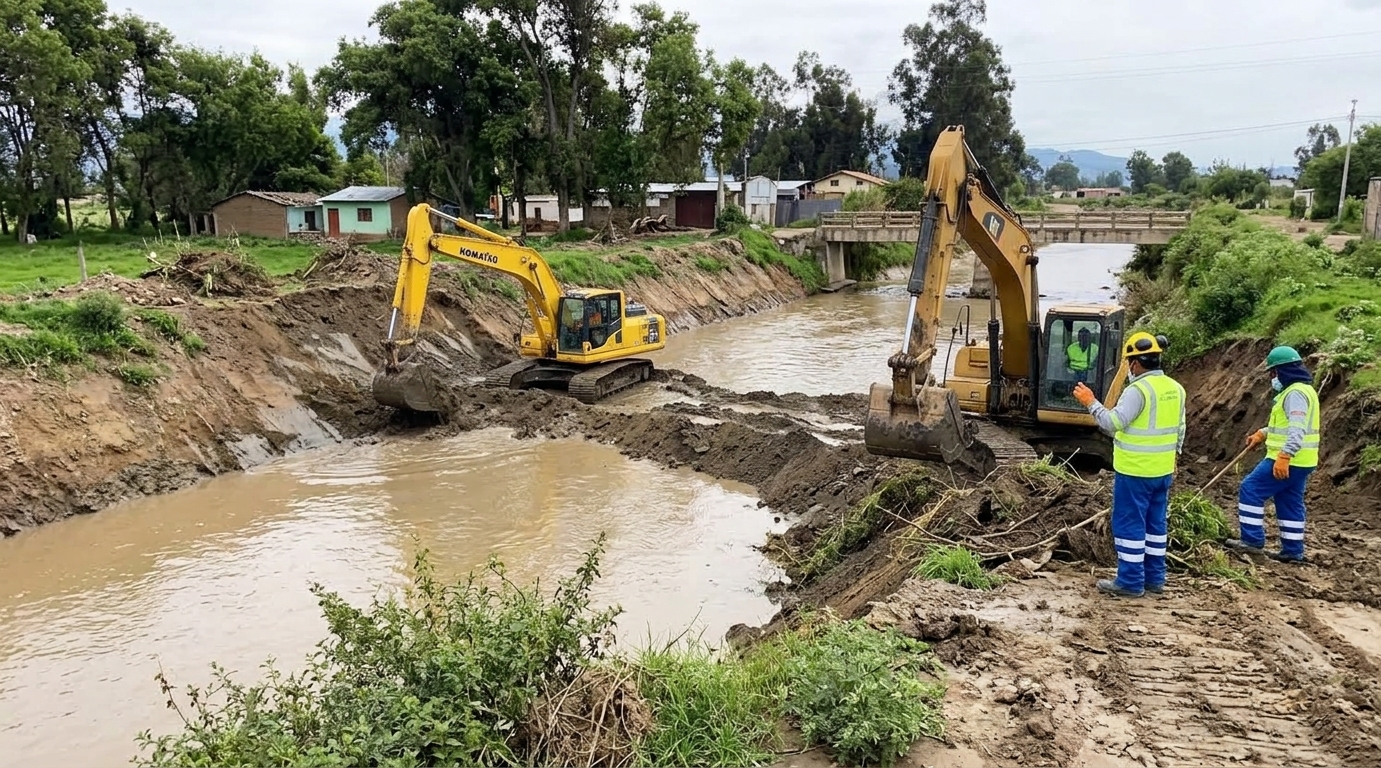
MIDAGRI has already prioritized services such as cleaning waterways and drainage systems, pumping, slope stabilization, equipment deployment, and temporary water storage. However, other sectors could develop their own portfolios.
The MINAM could evaluate waste collection and sorting services to prevent waste from clogging drains; logistics for recycler associations in the event of emergencies; or maintenance of natural infrastructure that helps regulate and store water. MIDIS could explore services to keep soup kitchens, Cuna Más, and other essential services operational through preventive measures related to infrastructure, safe water, and logistics.
There is also a financial aspect: evaluating guarantee schemes that provide liquidity to organizations and microenterprises critical to the response—for example, waste pickers’ associations that need to replace equipment or maintain operations after heavy rains. These alternatives would require regulatory approval, but they demonstrate the potential to move from a single mechanism to a portfolio of adaptation solutions.
This should be complemented by capacity-building efforts: municipal training, risk monitoring, protocols, and technology that will remain in place after the intervention ends.
For businesses, this goes beyond a tax tool. A blocked highway disrupts distribution, a lack of water jeopardizes operations, and the vulnerability of suppliers ultimately affects the business. The resilience of the region is also part of business resilience.
Success, then, should not be measured solely by how much was implemented, but by how much risk was reduced, which services continued to function, and which losses were avoided.
For years, we have learned that closing gaps requires infrastructure. Today, we have the opportunity to take the next step: Which services should we prioritize to turn private investment into resilience for the country?
Column published in the Gestión Newspaper