Climate risk can no longer be managed solely as an emergency.
In a new edition of Café y Conexión, business leaders discussed how to translate this into financial and operational impacts, prioritize investments, and strengthen business resilience.
Peruvian companies are familiar with the El Niño phenomenon. However, the conversation is shifting. It is no longer just about predicting rainfall, protecting infrastructure, or having emergency protocols in place, but about understanding how climate change is influencing the frequency and intensity of this phenomenon and Which part of the business is at risk, to what extent it could be affected, and what decisions can reduce that vulnerability.
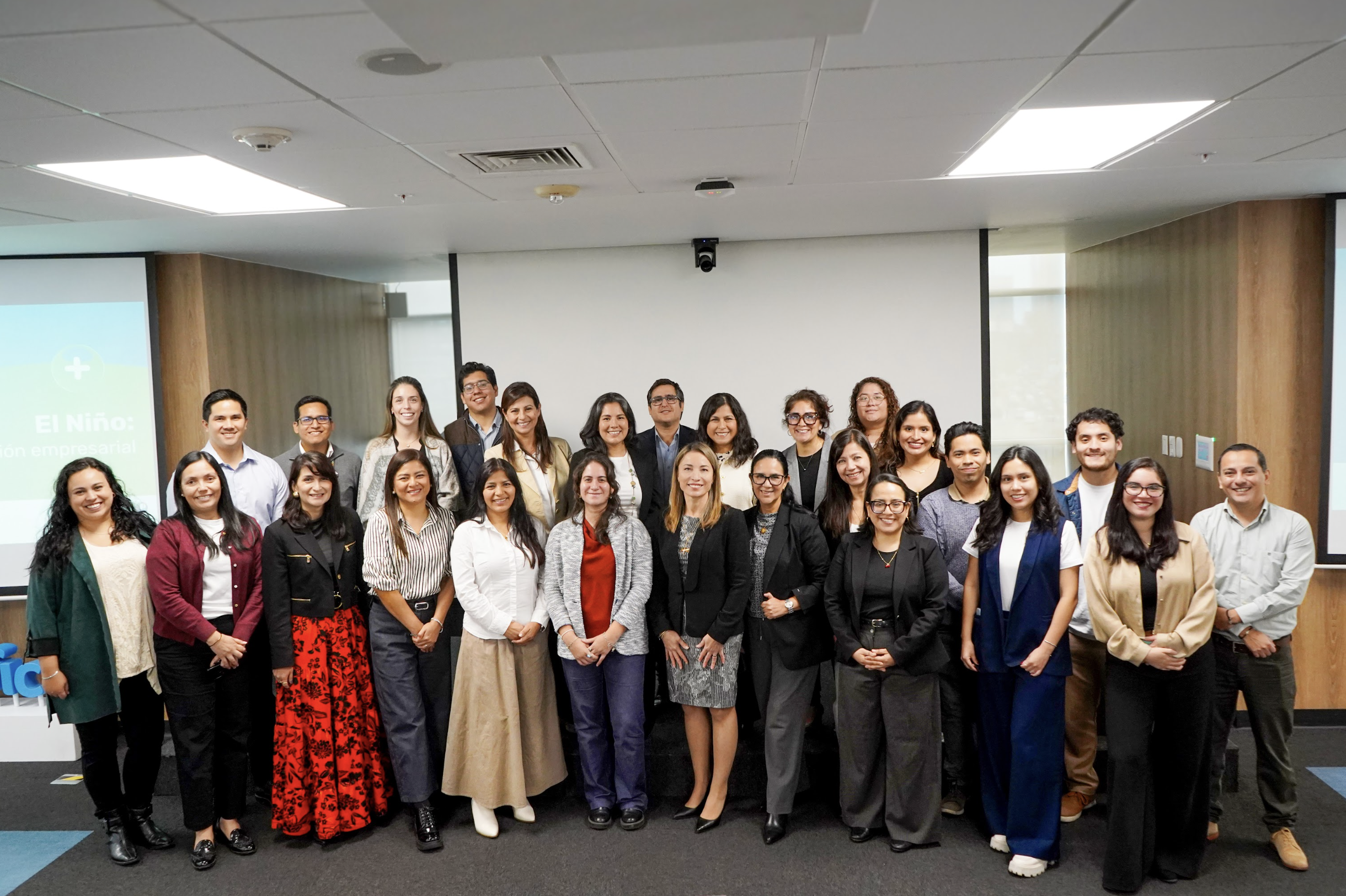
That was the starting point for Coffee and Connection | El Niño: From Alert to Business Action, an event organized by nexos+1 in collaboration with APOYO Consulting and Pacífico Seguros, which brought together perspectives on the climate, the economy, and business.
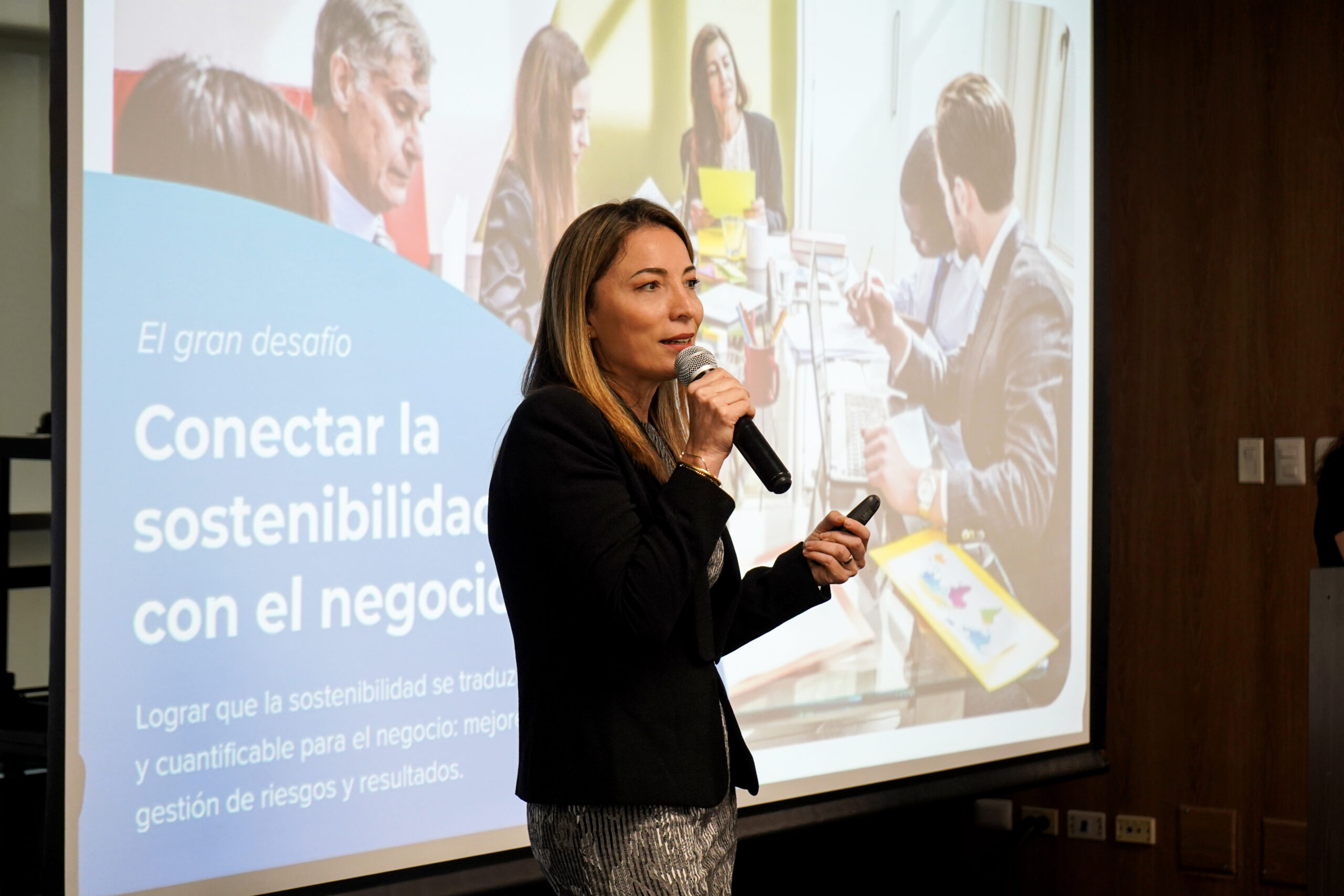
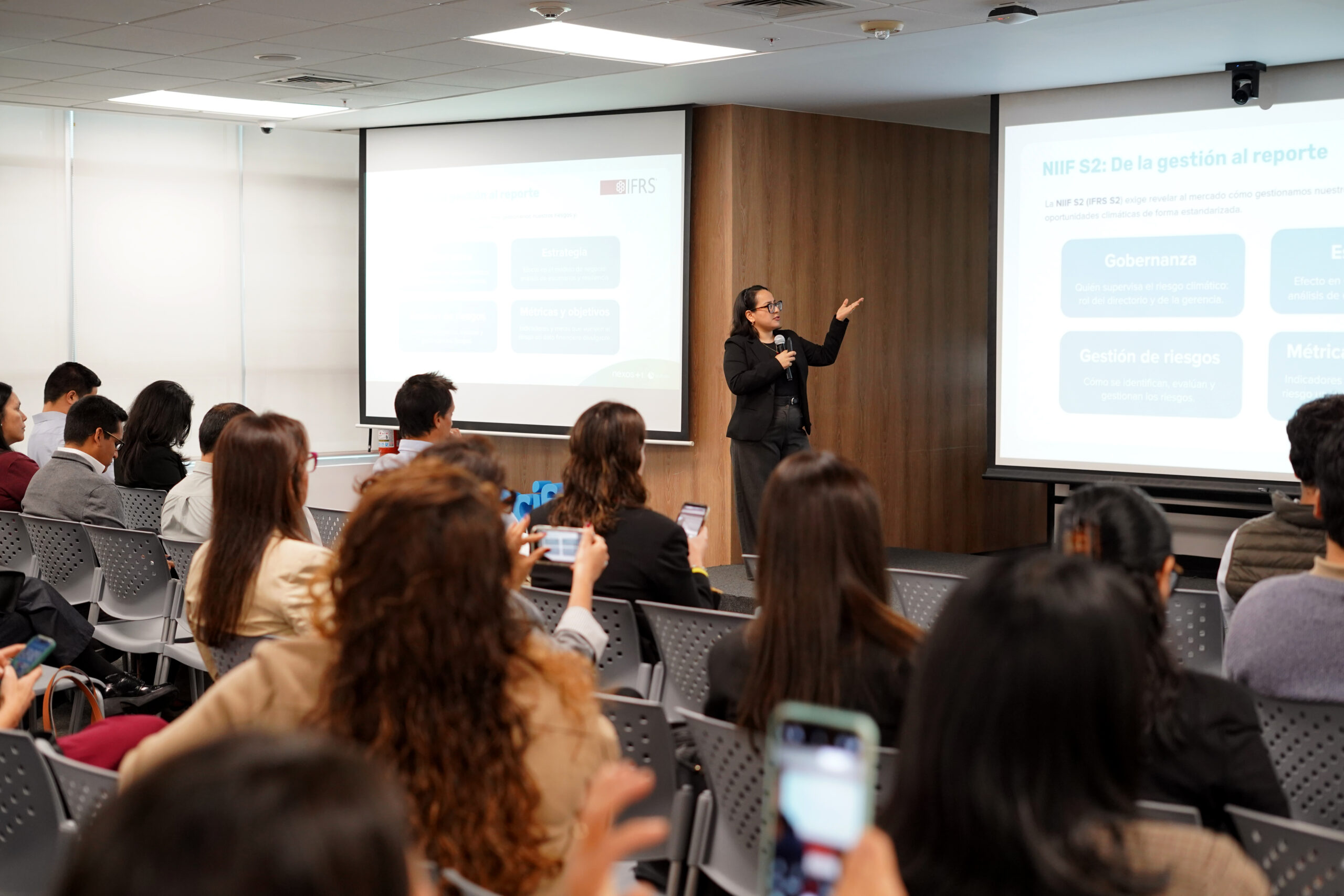
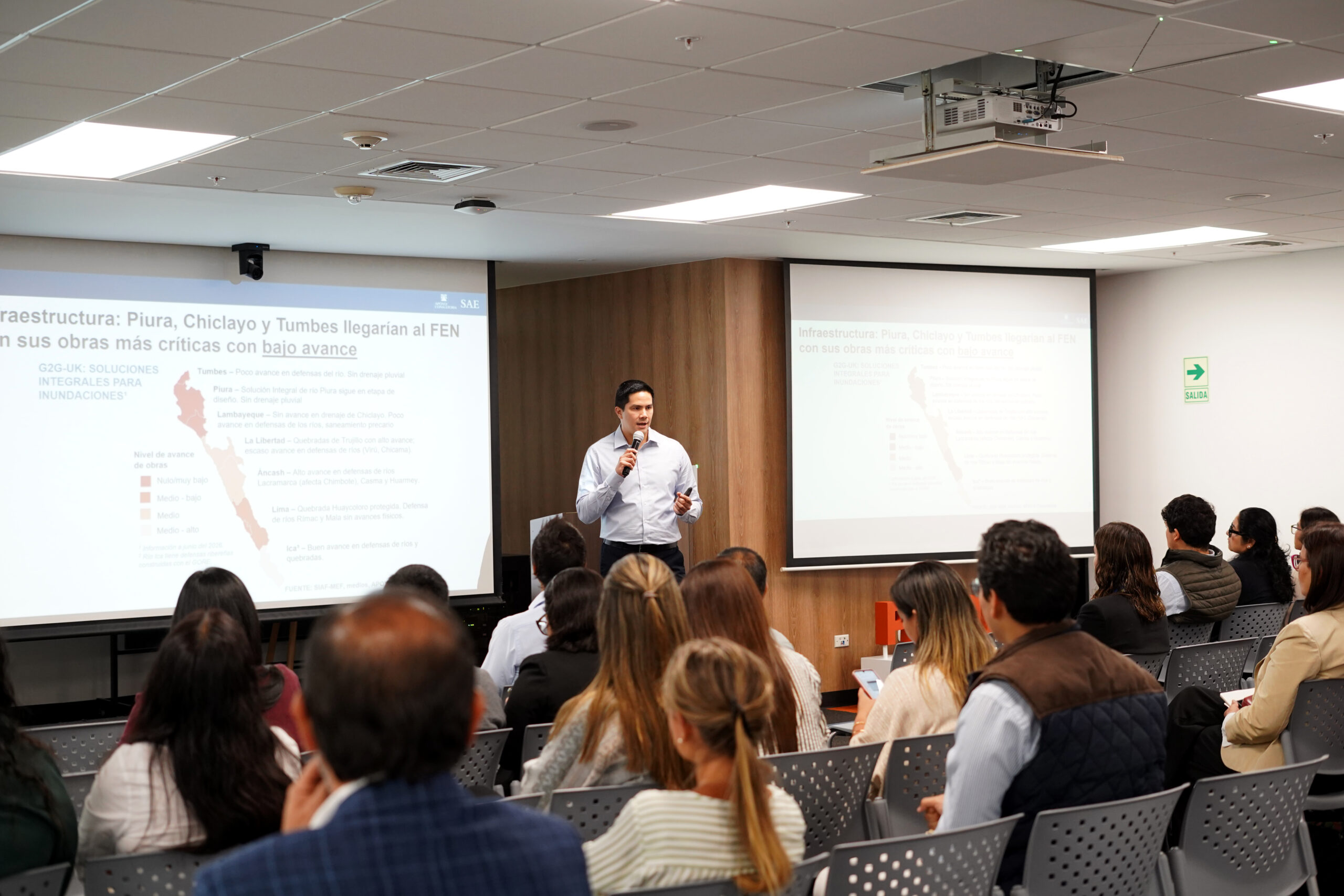
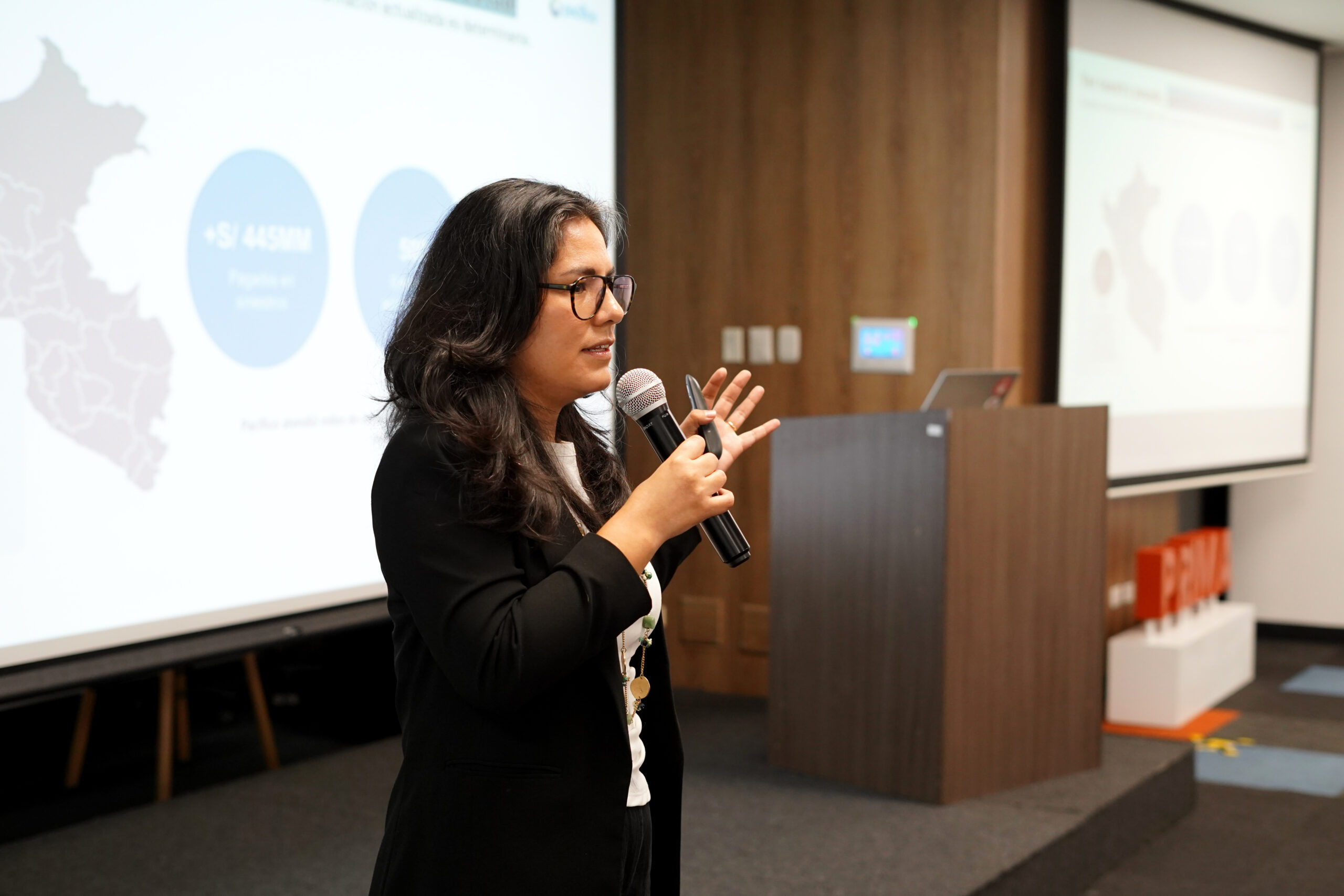
During the meeting, Lucila Pinto of Libélula; Iván Portocarrero, from APOYO Consultoría; and Verónica del Carpio, from Pacífico Seguros, discussed from various perspectives how to prepare for El Niño and, above all, how to use this scenario to strengthen climate risk management within companies.
1. Climate risk must be integrated into financial and operational risk management
A hazard map shows where a flood, drought, or other event might occur. But to make business decisions, you need to take it a step further: interpret that information in terms of its potential implications for the business.
How many days could an operation be shut down? What revenue or EBITDA is at risk? What additional CAPEX would be needed to adapt an asset? What impact would a disruption involving a critical supplier have?
When the analysis reaches this level, climate risk ceases to be merely a sustainability issue and naturally begins to involve relevant areas such as Finance, Operations, Risk Management, and General Management.
2. Not all assets require the same level of protection: the key is to prioritize
Exposure also varies within an organization. A plant located in Piura faces different conditions than a warehouse in Lima or an operation in the southern part of the country.
For this reason, one of the goals of the meeting was to move toward more granular analyses: by asset, territory, and operation.
This approach makes it possible to identify which assets are critical to revenue and business continuity and, based on that, to decide where an investment in adaptation can generate the most value.
In other words, adapting doesn't mean trying to protect everything equally, but rather better prioritize available resources.
3. Business resilience does not end at the boundaries of a plant
A company can adequately secure its facilities and still have its operations disrupted.
A blocked road can hinder the distribution of goods. Disruptions affecting a critical supplier can pass costs on to the rest of the supply chain. And workers may have difficulty getting to their workplaces due to problems with transportation, housing, or basic services in their communities.
Business vulnerability, therefore, It is also not among the assets directly controlled by the organization.
This requires us to broaden our perspective to include suppliers, logistics routes, employees, and regions that make it possible for operations to continue.
4. Preparation can also become a competitive advantage
One of the findings shared by APOYO Consultoría reveals another aspect of resilience: Being better prepared can begin to influence market decisions.
During the meeting, it was noted that certain logistics operators with greater responsiveness are gaining ground over those that are less prepared for potential disruptions.
For companies, this raises a question that goes beyond prevention: Can our ability to ensure continuity also become a trait that customers and partners value?
The resilience It is thus no longer viewed solely as a safeguard against losses and can become a competitiveness factor.
5. El Niño can help develop the capabilities required by IFRS S2
The El Niño phenomenon also provides an opportunity to broach a topic that often seems like a long-term issue: the management and communication of climate risks.
The IFRS S2 It calls on organizations to identify and disclose their climate-related risks and opportunities across four dimensions: governance, strategy, risk management, and metrics and targets.
In practice, several of the exercises needed to prepare for El Niño —map risks, analyze exposure, quantify financial impacts, prioritize assets, assign responsibilities, and define metrics— help build the capabilities that will also be necessary to move forward with the implementation of this standard.
The challenge, therefore, is not merely to improve reporting, but first to strengthen the organization's capacity to understanding and managing risk.
6. The preparation is finalized when it is entered into the spreadsheet
Identifying risks and defining measures is only part of the process. For an adaptation strategy to be implemented, it requires people in charge, timelines, indicators, and resources.
During the meeting, Lucila Pinto summed it up in one sentence:
“If a measure isn’t included in the budget, it’s probably still just a wish.”.
Incorporate CAPEX and OPEX, In other words, translating these measures into financial indicators turns an intention to adapt into a decision that can compete for resources, be incorporated into planning, and be monitored by the organization.
And that may be one of the most important links between sustainability and business: moving from assessment to concrete investment decisions.
From Responding to Emergencies to Managing Vulnerability
El Niño will return. And along with it, companies will continue to face other physical risks—such as floods, droughts, or sustained temperature changes—as well as risks associated with the transition to a low-carbon economy.
For this reason, preparing for a specific event can also serve as a starting point for developing longer-term entrepreneurial capabilities.
The question is no longer just Are we prepared for the next El Niño? and becomes: Do we know where our vulnerabilities lie, how much it could cost us, and what we should prioritize today?
Answering these questions allows us to move from reacting to the impact to anticipate risks, prioritize investments, and strengthen the business's ability to respond.