Enel was one of the companies that participated in the “UN High-level Dialogue on Energy” convened by UN Secretary General António Guterres, the first meeting of leaders in more than 40 years at the UN dedicated exclusively to energy issues. The event brought together heads of state and other leaders from governments, business and civil society who presented their «Energy Compact», a series of voluntary commitments aimed at accelerating the achievement of UN Sustainable Development Goal (SDG) 7 - ensuring access to affordable, reliable, sustainable and modern energy for all - and net-zero emissions.
Enel CEO Francesco Starace was one of the speakers at the opening session of the event, attended by UN Secretary General António Guterres, and spoke about existing solutions to accelerate the energy transition, guided by technologies such as carbon-free electricity.
«Enel is honored to contribute to this high-level discussion on how we can respond to the urgent need to accelerate the energy transition in a sustainable way for all.», said Francesco Starace, Chief Executive Officer and Managing Director of the Enel Group. «There is no need to choose between what generates business value and what is good for the climate, these two objectives are today fully aligned thanks to technological developments. This is why all financial efforts must aim to achieve the SDGs and a net-zero emissions economy. This requires ambitious commitments and strategies, as well as the tools to promote their effective development. The transition is going to happen and not only in the energy sector: in fact, it will involve many areas of the global economy. We must ensure that it happens in an orderly, decisive, fair and inclusive manner.».
Enel's “Energy Compact” includes the following commitments:
- Accelerate phasing out coal from 2030 to 2027;
- Tripling the generation of renewable energy up to 145 GW by 2030, up from approximately 49 GW in 2020;
- To achieve 20 TWh of battery energy storage and 20 GW of demand response by 2030;
- Reduce Scope 1 GHG emissions to 148 gCO2eq/kWh by 2023 and to 82 gCO2eq/kWh in 2030 from around 214 gCO2eq/kWh in 2020, according to the 1.5°C scenario (SBTi certificate);
- Increase the vehicle recharging points more than 4 million and the electric buses to more than 10,000 by 2030, compared to 186,000 and 912 respectively in 2020;
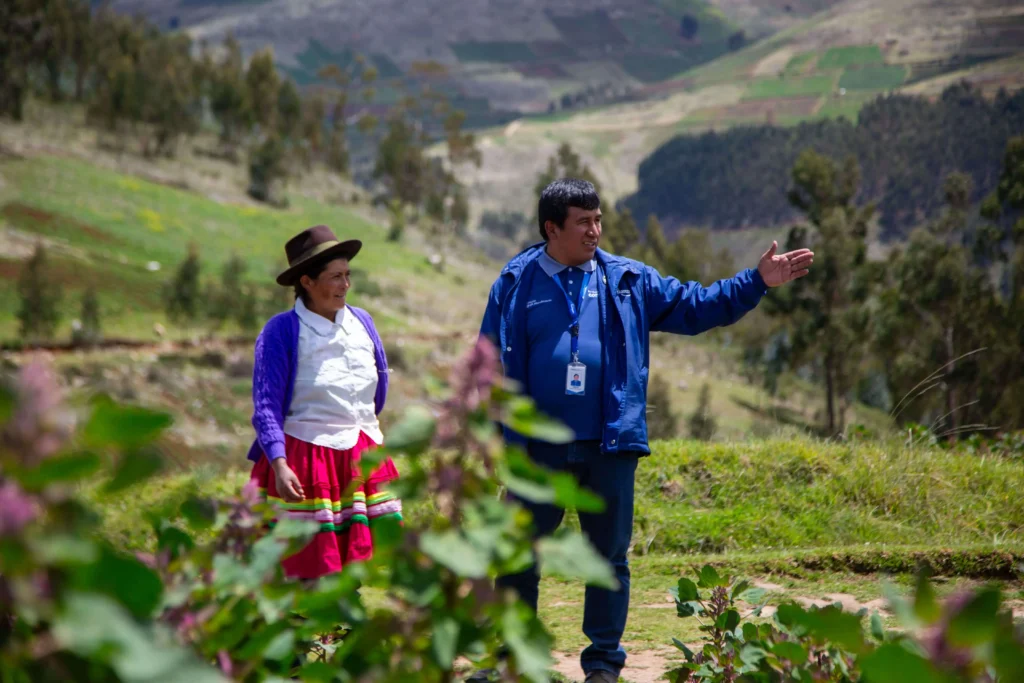
- To reach 5.6 million beneficiaries with new connections in rural and suburban areas during the period 2020-2030, increasing the quality, reliability and digitization of service to all users (from 74 million end users in 2020).
The objective of the High-level Dialogue on Energy was to develop a roadmap to achieve clean and affordable energy for all by 2030 and net zero emissions by 2050, providing a platform for governments, as well as businesses and civil society organizations, to showcase voluntary commitments in the form of Energy Compacts to help meet these goals, as set out in SDG 7 and the Paris Agreement on Climate Change. A total of more than 150 Energy Compacts have been submitted from national and local governments, businesses, international and UN organizations, foundations, financial institutions, non-state actor coalitions and civil society groups, including several youth networks, from more than 35 countries. These Energy Compacts involve a collective commitment of billions of dollars through 2030 in clean energy financing or direct investments and the installation of several billion more GW of clean energy, as well as a commitment to expand new electricity connections and access to clean cooking for hundreds of millions of people. More Energy Compacts are expected to be registered in the coming months as momentum grows and cooperation expands, with the process tracked through the 2030 target year.
In his invitation to world leaders, UN Secretary-General António Guterres said we must accelerate the energy transition by tripling investments in renewables and quadrupling the pace of energy efficiency improvements and shifting fossil fuel subsidies to renewables, while creating new green jobs and ensuring a just and inclusive transition. He noted that without deep decarbonization of energy, the 1.5°C target of the Paris Agreement will quickly fall out of reach. The Secretary-General also stated that decisive action must be a political priority to achieve clean energy access for the 760 million people currently living without electricity and for the 2.6 billion people who still rely on harmful solid fuels for cooking.
Held less than two months before the Climate Conference to be held in Glasgow next November, the High-level Dialogue on Energy represented an important step in mobilizing commitments and defining actions that will help countries reduce their emissions by 45% by 2030 and achieve net zero emissions by mid-century, in accordance with the Paris Agreement.