With IDB Invest's 2019 Sustainability Week coming to a close in June, we discussed some key findings for the private sector on the Sustainable Development Goals. Here's what we found.
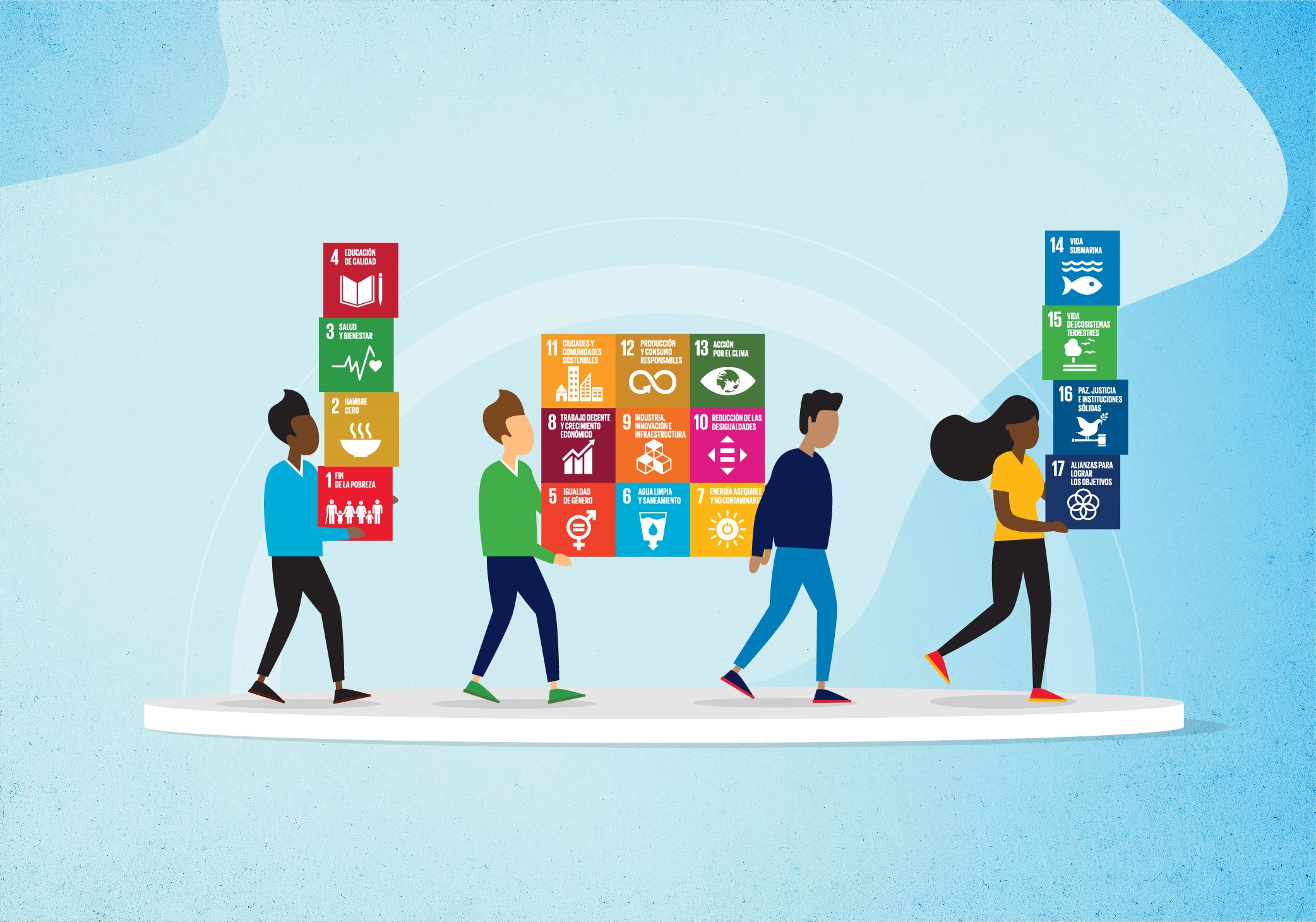
One of the most cited figures during Sustainability Week 2019 was the US$2.5 trillion referring to the estimated annual financing gap that must be covered to achieve the Sustainable Development Goals (SDGs) by 2030 in developing countries alone.
While this figure gives us an idea of the magnitude of the challenge we face, it is useful to bring this number down to earth to make the SDGs more tangible for private sector actors. What do the SDGs mean to them and how can they contribute to these goals in a meaningful way?
To do so, we would like to highlight three key points that were echoed in conversations about the SDGs at our recent Sustainability Week 2019 event in Panama City.
1. Having a strong business case matters.
To begin with, a business case must be sound for companies. This allows to truly internalize sustainability and integrate an SDG approach into core business operations.
As panelists Luis Carlos Rodríguez and Michelle Espinach of Banco Promerica Costa Rica explained, this meant “leading by example” not only by incorporating practices such as energy efficiency into all corporate operations, but also sustainability and an SDG lens into its core business of lending to small and medium-sized enterprises (SMEs). In turn, the bank aims to measure the impact of its SME lending in line with the SDGs, especially those related to decent work, gender equality, climate action, and access to clean and affordable energy, as well as build a sustainable portfolio that generates more business value.
Similarly, for companies like Swiss Re that are in the risk management business, the link between the SDGs and their core business is clear, especially when it comes to climate change. For example, panelist Rubem Hofliger shared how under Swiss Re's coal policy, the company will not provide insurance and reinsurance services to companies with more than 30% of thermal coal exposure. Instead, they are focusing on new opportunities in climate change mitigation and adaptation and renewables.
Another key element of the business case for sustainability, proposed by Banco Promerica, and valid for companies in all sectors, is the ability to attract and retain millennial employees, who increasingly expect a greater sense of purpose from their employers. Similarly, Andrea Pradilla of the Global Reporting Initiative emphasized other drivers for SDG engagement, including technologies that are transforming business models, the need for companies to respond to public policies and regulations that promote sustainability, and increased market demand for sustainable investments.
2. It is still a challenge to further incorporate the SDGs.
A second key point is that while companies in Latin America and the Caribbean are taking stock and recognizing the strategic opportunity of the SDGs, deeper integration remains a challenge. During a workshop focused on the SDGs, participants were asked about their organization's current level of commitment to these global goals. While 98% of the 46 respondents said they were committed to the SDGs, nearly half said this commitment was still at a superficial level. This could mean a basic awareness of the SDGs within the company or a loose alignment of the business with different goals.
Interestingly, when asked about their main motivations for committing to the SDGs, 46% cited operational and strategic reasons related to improving long-term operational efficiency and mitigating supply chain risk.
This snapshot of our workshop also reflects broader trends. For example, a global survey of 250 companies conducted by the World Business Council for Sustainable Development (WBCSD) in 2018 found that while 78% have made efforts to identify priority SDGs, only 44% have gone deeper in analyzing the relationship between the SDGs and their corporate strategy, and 40% have actually integrated the SDGs into a strategy.
3. Measurements are needed to be able to manage.
Finally, in addition to reporting and measuring impact, it is the management aspect that counts. For companies, this means understanding their impact opportunities (both positive and negative) and prioritizing SDG targets accordingly, demonstrating the impact achieved through robust measurement and using impact information to inform and improve business strategy and decision making.
Completing this circle is a challenge for many companies, as reflected in our SDG workshop. When asked about the main difficulties participants face in implementing the SDGs, the main reason was a lack of internal expertise on how to select an appropriate measurement framework and track relevant indicators.
Ultimately, while the growing interest in the SDGs within the region's private sector is promising, the transition from interest to meaningful action must accelerate. And fast. That's why helping our clients understand the business case of the SDGs for their company or industry, integrating the SDGs into their strategic and operational priorities, and measuring their contributions to these goals are top priorities for IDB Invest.