Entel reported that they have achieved to reduce its greenhouse gas emissions by 13.5% (GHG) in 2018, going on to have a carbon footprint of 9,994.88 tons of CO2 equivalent.
In 2017, the year they started measuring their footprint, they had generated 11,474.64.
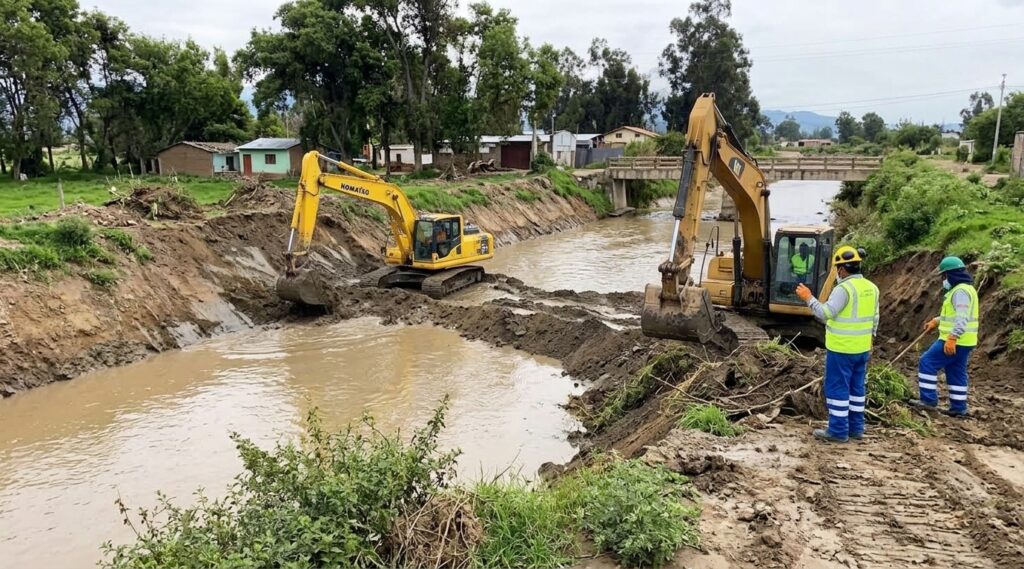
This figure is the result of a series of initiatives that range from producing all of the ‘merchandising’ with recycled material to replace some of the energy sources in its base stations, reported Nino Boggio, legal manager for Entel.
In addition to a and volunteering to reduce the company's environmental impact, they said that they are environmental impact of the company, they pointed out that they are aiming for a policy that seeks to optimize infrastructure spending to overcome the difficulties in making investments profitable.
Regarding the use of fiber optics, Boggio confirmed that they have changed provider for a cheaper one. They had previously contracted the service with Azteca, operator of Red Dorsal, but their rates were not competitive. After a bidding process among the existing operators, they opted for a five-year contract with Telefónica.
With the Spanish company Spanish company has also initiated a new program to share infrastructure. infrastructure. Now it is no longer just a matter of having the same tower, managed by a third party, which allows each operator to have cells, but also the sharing of cellular cells.
The contract The contract signed with Telefónica includes using a certain number of antennas of that operator in an in one area and in exchange let them use other equivalent Entel antennas in other areas. equivalent Entel antennas in other areas.
Figures
Entel has succeeded in adding 1.27 million customers in 2018 and maintains an upward revenue curve of 11% year-over-year in the first half.
This constant dynamism This constant dynamism has allowed the company to achieve a positive Ebitda (earnings before taxes) for the first time in the second quarter of the year, with a positive Ebitda of (earnings before taxes) positive in the second quarter of the year with US$18 million in favor, but we have not yet been able to recover all of our investment.
The company reported that invested S/613 million in infrastructure deployment by the end of 2018. and in the development of the digital transformation process. This allowed it to complete a total of 3,574 antennas, which cover 70% of Peru's population.
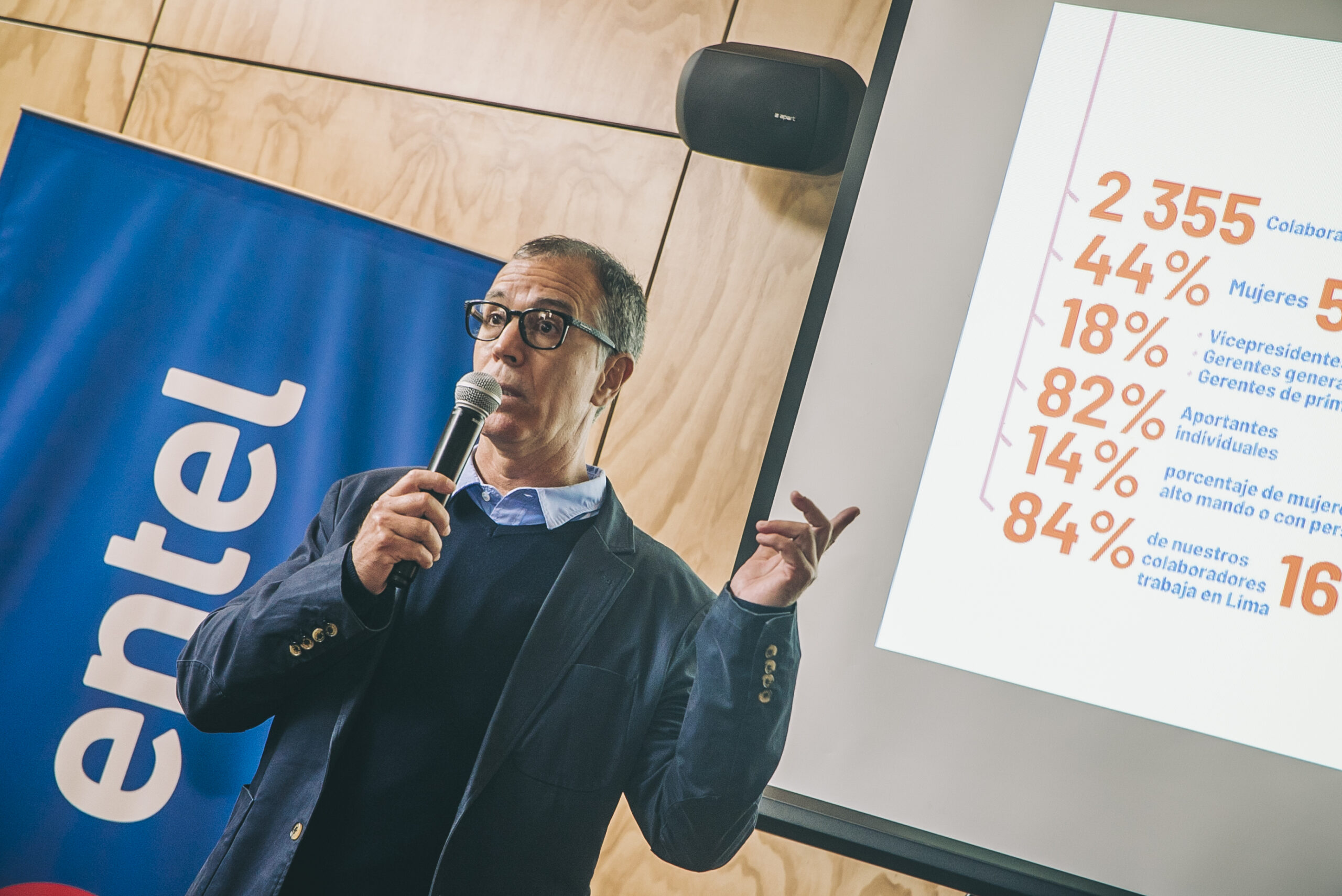
The sustainability The sustainability report also states that there has been a reduction in the number of contracted personnel, especially in Lima in Lima, but not in the provinces, where there has been an upward trend. where they maintain a growing curve. The report states that at the end of 2018 there were 2,355 collaborators, which is 172 fewer people than in 2017.