Tarapoto has made sustainable mobility a priority. The next step is to prepare those who will make that transition possible.
In the San Martín region, transportation accounts for 85.17 % of greenhouse gas emissions from the energy sector. In light of this reality, the province’s 2025–2035 Local Climate Change Plan already identifies energy efficiency and electromobility as strategic priorities.
In this context, Toyota del Peru He arrived in Tarapoto as part of the third stop on his 2026 regional tour, with the aim of decentralizing technical knowledge and strengthening local capacities to support the adoption of new technologies in a way that is tailored to the specific circumstances of each region.
During its visit, the company coordinated efforts with key stakeholders in the region:
- Public and labor sectors: He facilitated a dialogue on infrastructure and operational conditions with the technical coordination team for the Local Climate Change Plan of the Provincial Municipality of San Martín, representatives of the Regional Government, and executives and union representatives from the San Martín–Tarapoto Chamber of Commerce, Production, and Tourism.
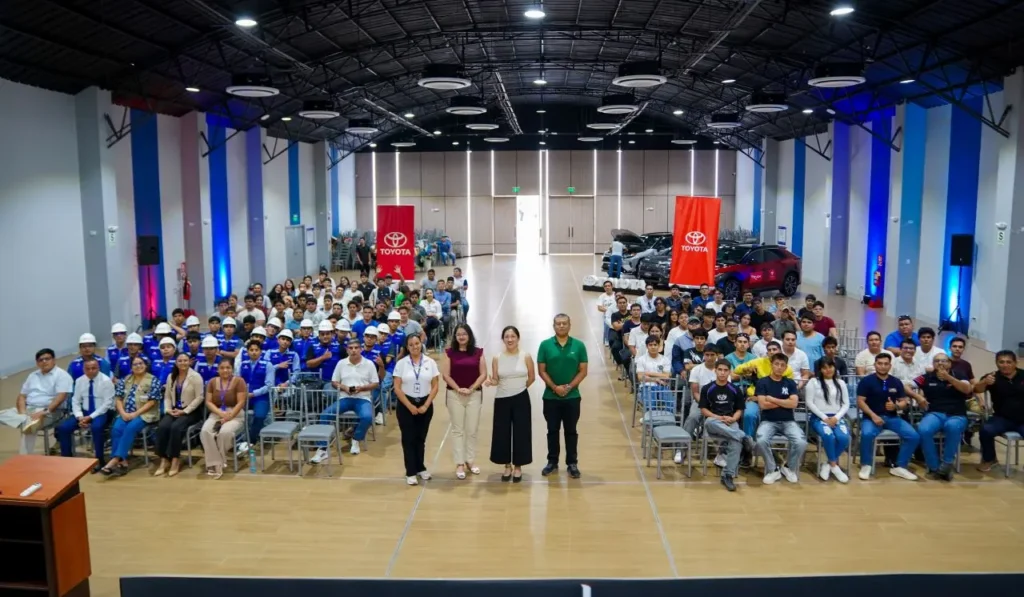
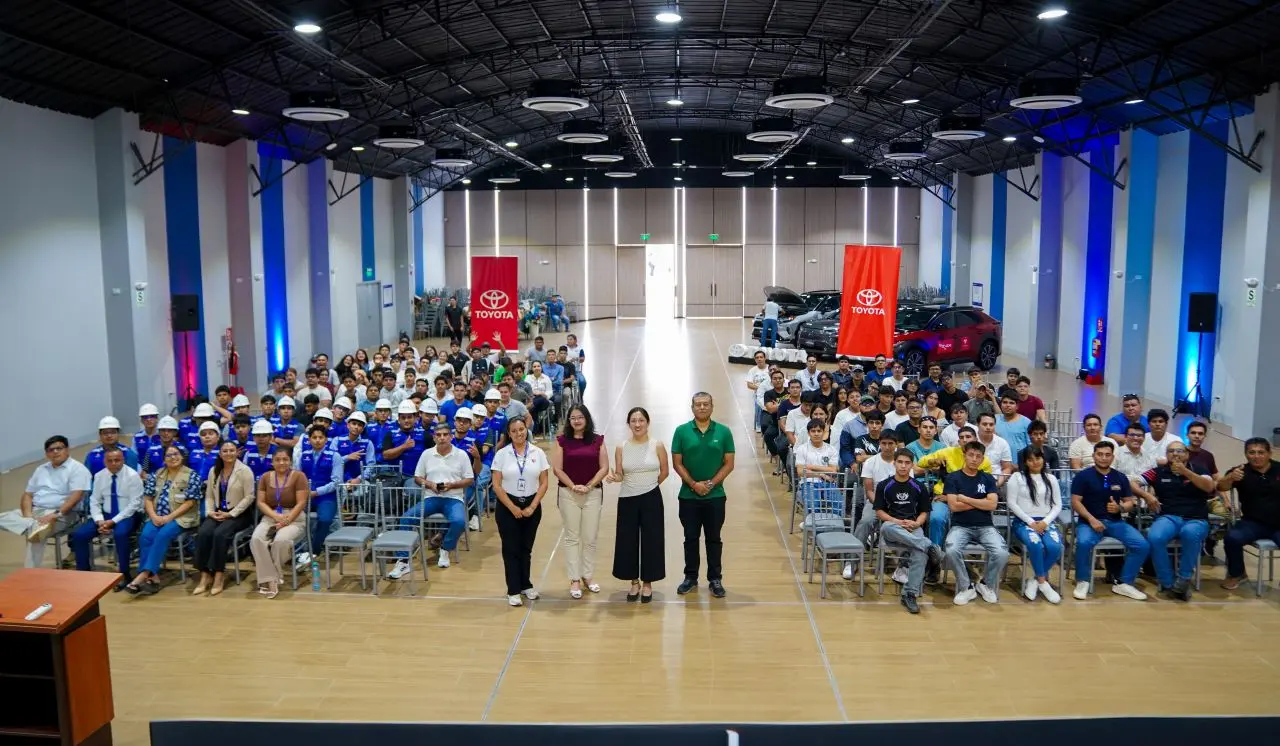
- Academic and Technical Training: He led the workshop «Technologies for Sustainable Mobility» with students from César Vallejo University, the IESTP Nor Oriental de la Selva, and the IESTP Ciro Alegría, delving into the differences between HEVs, PHEVs, and BEVs.
- First-response agencies: It strengthened the technical training of firefighters from Company No. 71 in Tarapoto, Company No. 86 in Moyobamba, and Company No. 178 in Nueva Cajamarca, along with CBP Lieutenant Brigadier Luis Enrique Noriega Valdez of the XVII Departmental Command of San Martín and Yurimaguas.
The strategy of A Wide Range of Technological Options from Toyota del Perú based on the recognition that there is no one-size-fits-all solution. With more than 17 years of promoting sustainable mobility in Peru, more than 39 years of leadership in the automotive sector, and 59 years of presence in the country, the company reaffirms its commitment to a transition that involves not only incorporating new technologies but also preparing the environment for their adoption.