The incorporation of ESG (environmental, social and governance) criteria throughout the production process, including the supply chain, has become a crucial trend in today's business world as it ensures that its operations do not have a negative impact on the environment and society.
According to Sofia Sanchez, Supply Chain Manager of Sodexo Peru, a leading company in sustainable collective food and integrated Facility Management services, the company manages an average of 900 suppliers per year, with whom it works with clear criteria of sustainability in the supply processes, thus promoting responsible supply chains.
“A responsible supply chain brings benefits to both the environment and business by reducing greenhouse gas emissions while increasing efficiency and reducing costs by optimizing the use of resources. At Sodexo, we ensure that our operations have a positive impact on all our stakeholders,” says Sanchez.
Sodexo Peru recommends three sustainability criteria in the supply chain:
1. Mapping the supply chain and optimizing processes
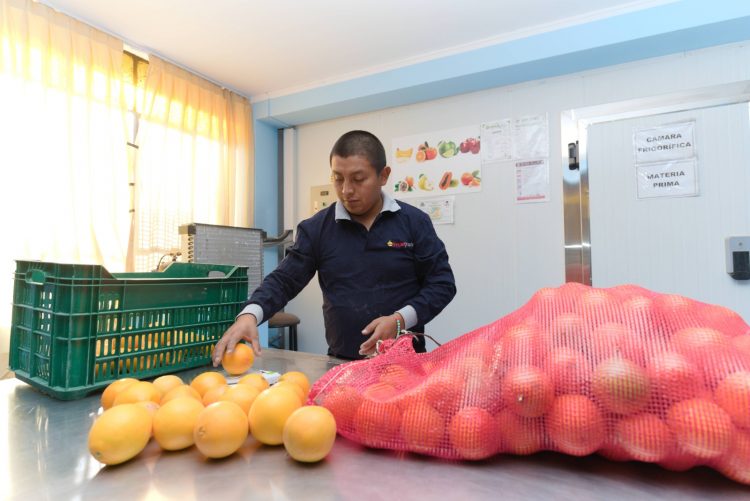
The initial step in building a sustainable supply chain is to monitor and identify those processes that could be improved to achieve the objectives. In Sodexo's case, in order to reduce its carbon footprint and percentage of waste, it seeks to work with pre-cut products. The products purchased must also be sustainable and environmentally friendly. This involves ensuring animal welfare at all stages, as well as the responsible use of natural resources, avoiding the purchase of endangered or endangered species.
2. Involve local communities
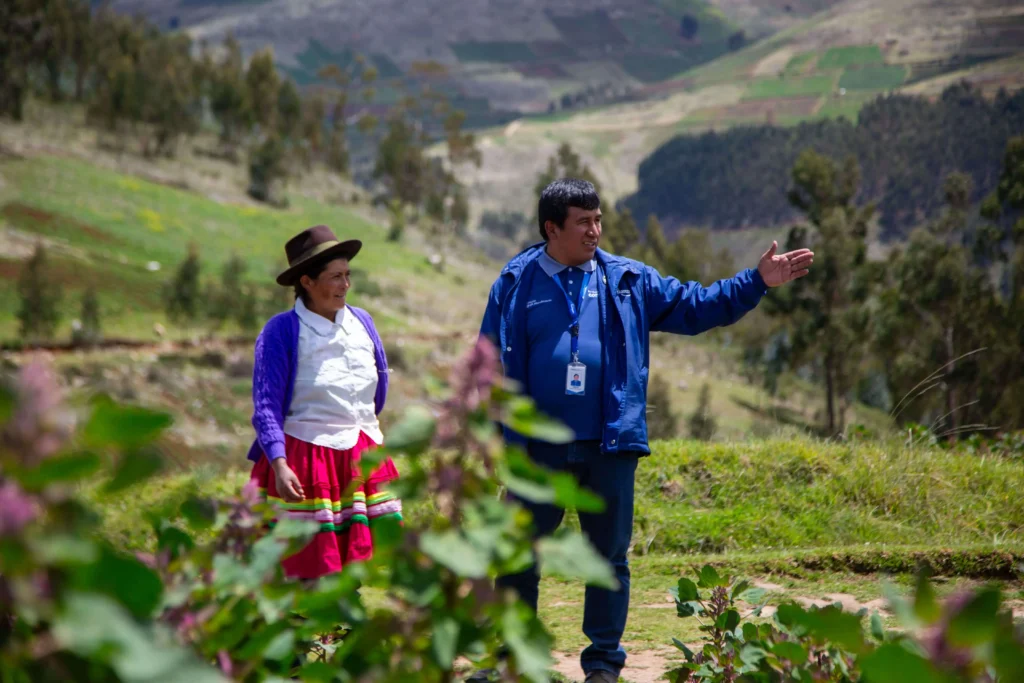
In the case of companies whose operations involve rural communities, such as those in the mining and hydrocarbon sector, it is important to promote local development and fair, inclusive and sustainable business practices. Companies should purchase local inputs in the areas of influence where they operate in order to generate employment and encourage consumption. In the same way, it must be ensured that these suppliers comply with sustainable guidelines; if not, an accompaniment program is implemented to achieve the necessary sustainability standards.
3. Impact assessment
Finally, to map processes, KPIs must be implemented to ensure internal sustainability standards. These indicators should cover the environmental area, such as the percentage of sustainable products purchased or the percentage of suppliers committed to animal welfare, and the social area, such as the percentage of purchases from MYPES.
Nowadays, consumers take into account the social responsibility indexes of a company when choosing products and services. Therefore, it is important to apply sustainability strategies in all the company's processes, including the production process. In the case of Sodexo, the company applies four different shrinkage controls in order to reduce the amount of waste. This type of actions allow building a better relationship with the public, provides trust and transparency, which leads to a better customer experience.
About Sodexo Peru Group
Sodexo is a French company, world leader in Quality of Life Services, with more than 422 thousand employees in 53 countries around the world. Sodexo Peru Group has been present for 24 years in the coast, highlands and jungle of the country and employs more than 7 thousand Peruvians. It has two companies: Sodexo Benefits and Incentives, leaders in the design, management and implementation of quality of life services for employees through cards and physical and virtual vouchers. Sodexo On Site Services, a company that provides food and infrastructure management services for the corporate, industrial, mining, energy, construction and hydrocarbon sectors. It also has the Sodexo Association for Sustainable Development, created in 2004 with the purpose of supporting and contributing to the sustainable development of the populations in the areas where Sodexo operates in Peru. Its lines of action are training in the communities, advice and creation of micro and small companies, search for new markets, quality certification, food education and philanthropic activities.
Key data
- 21.1 billion euros in consolidated revenues for fiscal year 2022
- 422,000 employees worldwide and more than 7,800 in Peru, as of August 31, 2022
- # 2 private employer based in France worldwide
- 53 countries (as of August 31, 2022)
- 100 million consumers served daily
- 13.6 billion euros in market capitalization (as of December 19, 2022)
Original publication by Proactive