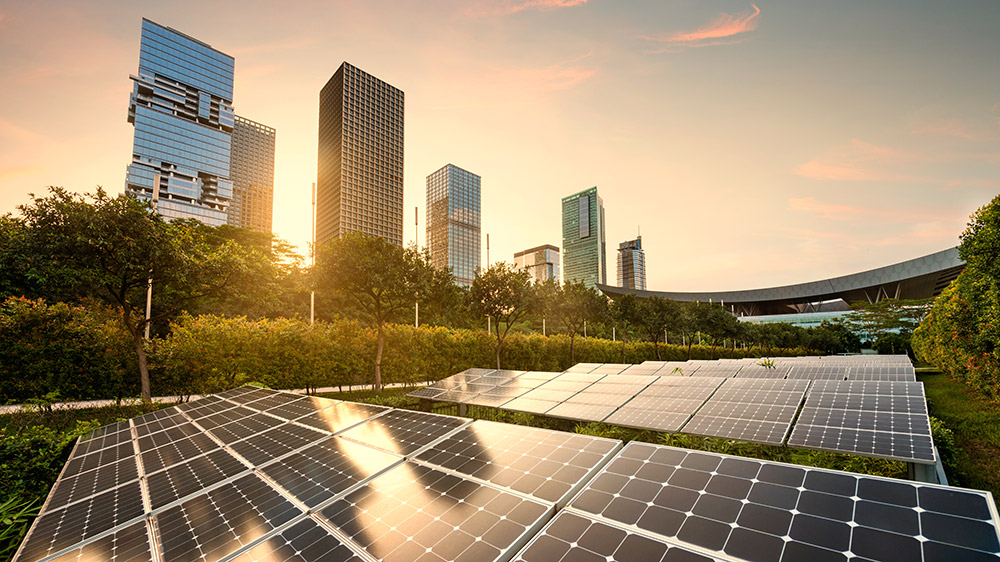
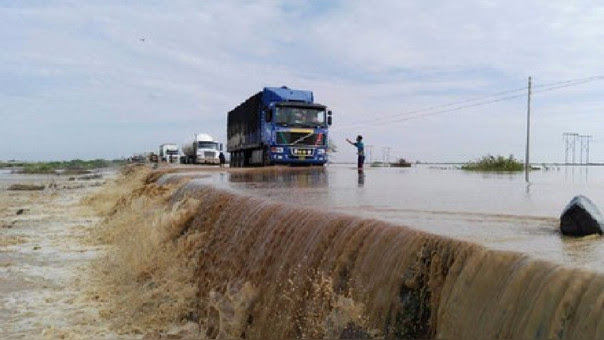
Could climate become the weakest link in your value chain?
According to the McKinsey Global Institute, increased frequency and severity of climate disasters can cause disruptions in global value chains - disrupting production, raising costs and prices, and hurting corporate profitability.
Read more here
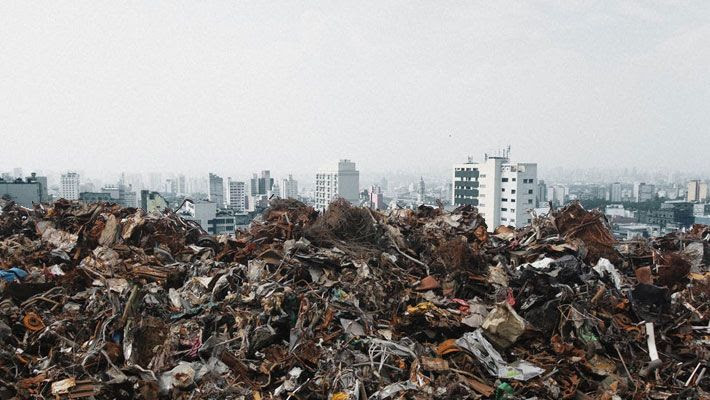
This is the greatest danger to the world (and it's not the coronavirus).
A new report from the World Economic Forum entitled “Affluence: A Warning from the Scientists” explains that true sustainability requires significant lifestyle changes and stakeholder cooperation on a global scale.
Read the full report here
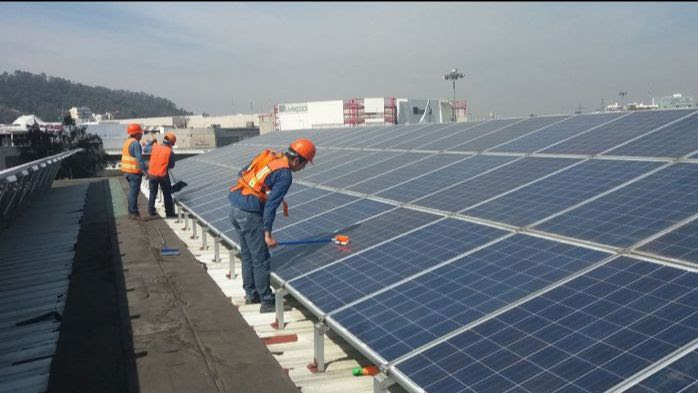
The strategy to create jobs and help the post-pandemic climate
Thanks to a new post-pandemic economic recovery package, creating jobs and meeting the Paris Agreement goals is now a strong possibility.
Find out how here
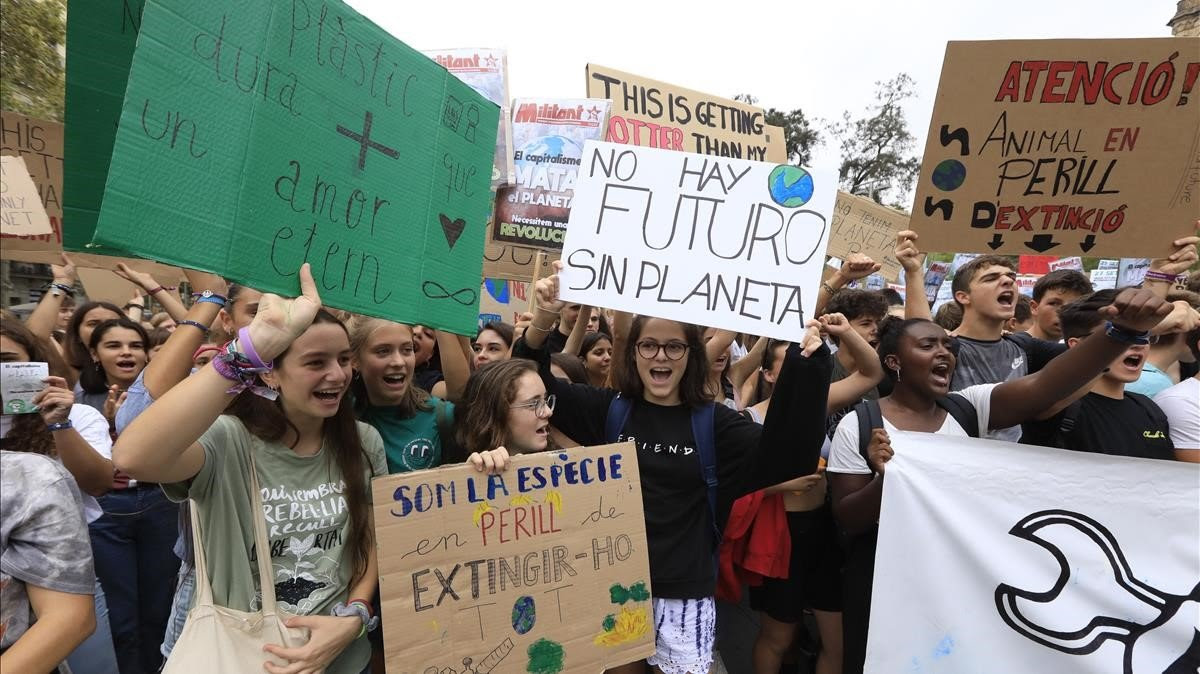
More sensitive consumer
Thanks to a new post-pandemic economic recovery package, creating jobs and meeting the Paris Agreement goals is now a strong possibility.
Read more here
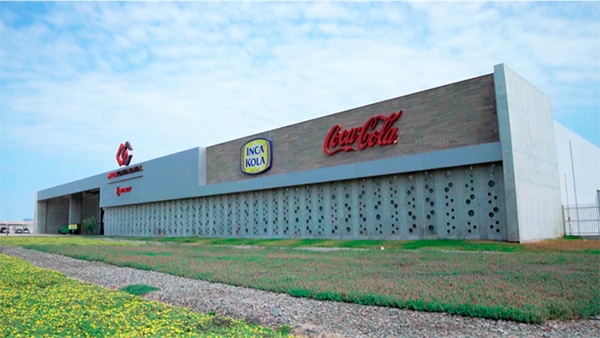
Arca Continental Lindley promotes sustainability in its value chain
The company accompanied seven of its strategic partners in the Global Reporting Initiative (GRI) 'Competitive Business' program, who successfully completed their first and second sustainability reports.
Learn more here
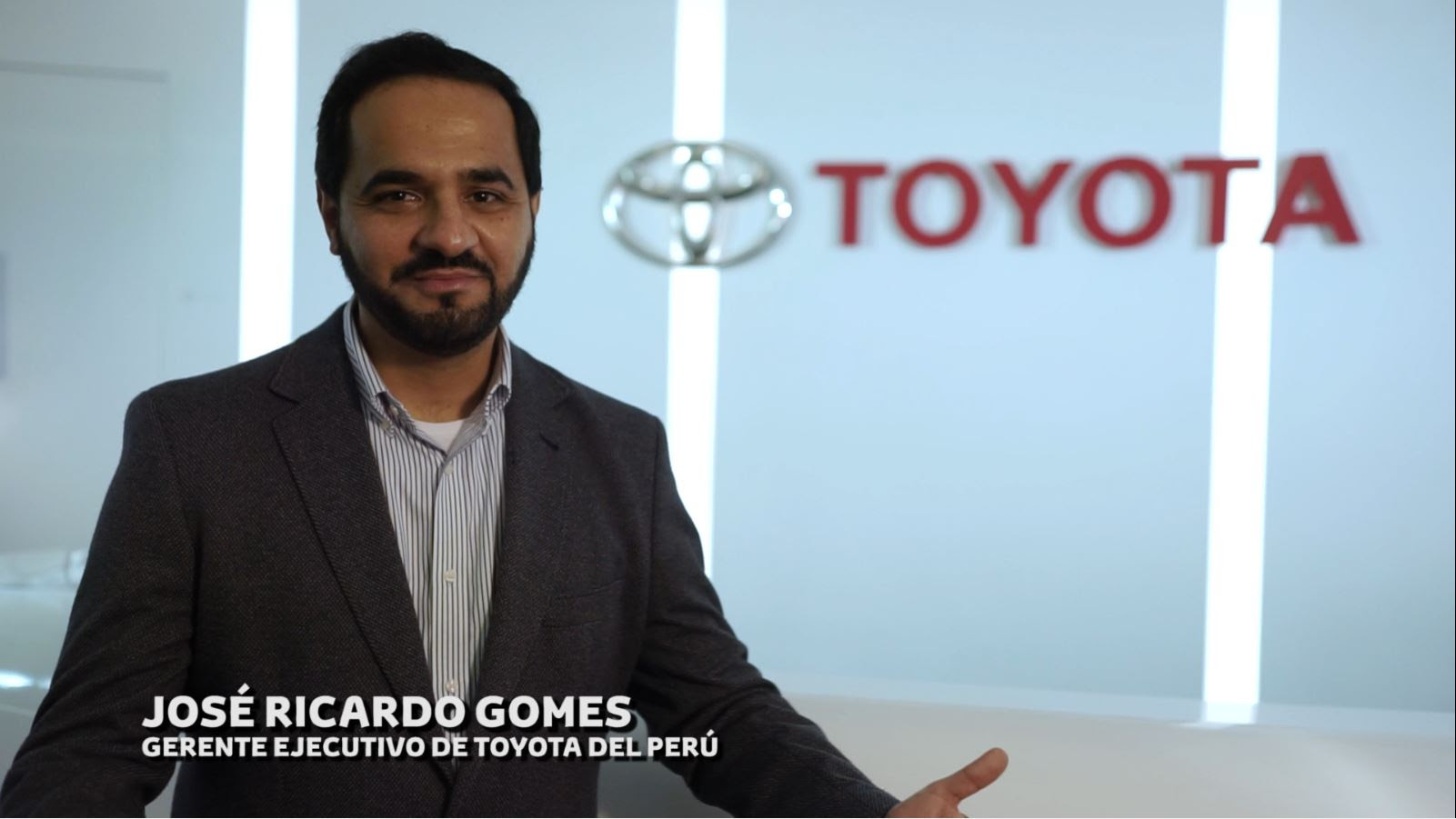
From auto part to art piece: Toyota's Circular Economy Project
Through an alliance with the Faculty of Industrial Design of the PUCP, Toyota del Perú gives a second life to car parts that were considered waste, turning them into pieces of art and opening a new business opportunity through the Circular Economy.
See video here

Thriving in the pandemic: the 100 most profitable companies
In a bleak year for most companies, a minority of them have managed to capitalize during this crisis: pharmaceutical groups, technology giants and retailers that offer online solutions to insulation needs are some of the groups of companies that increased the value of their shares.
Find out which are the 100 companies that have benefited the most

Webinar: Developing a reporting framework for the private sector focused on assessing sustainable development
We invite you to this webinar organized by UNEP-DTU and nexos+1. Through this space, participants will be guided through the necessary steps to systematically assess and report on the multiple impacts of their climate action through standardized formats, mainly under the framework of the ICAT methodology.
Register for the webinar here